Blue Zones pt. 2: How People in the Blue Zones Really Eat
In this article discover how people in the Blue Zones really eat, including those from Sardinia, Nicoya, and Okinawa. Learn their simple dietary patterns and what wisdom we can glean to create everyday meals that nourish our families.
Keeping Family Nutrition Simple
Mark Twain once said, “Be careful about reading health books. You may die of a misprint…”
Although cheeky, these words hold a lot of truth. Nutritional advice can be downright confusing as ancestral, vegan, lacto-ovo, keto, and paleo debates abound! It’s enough to make a mama forget it all and just order a pizza!
For a new mother trying to figure out how to nourish her family, this can feel especially overwhelming.
Before getting too lost in the weeds of nutritional opinion, it is important to remember that most popular diets today are much more focused on specific goals such as losing weight, or metabolic health as a positive marker versus focusing on overall health and longevity, let alone on raising growing children.
Even at the gyms where we see such a hyperfocus on “health,” the thrust tends to be on shape, definition, and “getting in enough protein” versus overall physical well-being. In fact, one study analyzing the health of male bodybuilders saw a five-fold increase in cardiac-related deaths when comparing professional bodybuilders to amateurs, so though they looked great…their cardiovascular system was seriously struggling.
Personally wanting to get past any health approaches that were more limited in scope, I became fascinated with the Blue Zone lifestyle and, in particular, the dietary patterns shared by the various Longevity Blue Zone regions. What makes the Blue Zone research so valuable is that it attempts to give us a glimpse at what impacts longevity through observing real-life populations known for their unusually high number of adults living to be ninety years and above. Because the focus is not on individual longevity but rather population longevity, we can look for overreaching patterns, beyond genetics, that may lead to living a longer life, with food being a key component to look at.
The Big Picture: Blue Zone Food Patterns
Before discussing the dietary preferences of the various blue zone regions, it is important to note a few considerations. First, there is not one blue zone diet, though there are many shared dietary patterns. Secondly, when discussing what is eaten in any given area, we must distinguish between the traditional diet and the more modern diet of the same region, as younger generations have been moving further away from their ancestors’ dietary habits. It is the traditional diets that have typically greatly influenced the current-day centenarians, not so much the more modern rendition. Third, it is helpful to distinguish between regular fare and the more ceremonial fare reserved for special occasions, as the latter is typically heavier in animal-derived foods. That being said, let’s see which foods are staples in Blue Zone cuisine.
What’s on the Menu in the Blue Zones?
Sardinia, Italy
The Longevity Blue Zones in Sardinia are largely located in more isolated, high-altitude villages. The traditional diet of these communities is largely shaped by sheep herding and gardening. Historically, Sardinian shepherds would spend many months moving their herd from one area to another. Eating was simple, seasonal, and closely tied to the land and to their animals. One staple was pane carasau. This flat bread can last up to a year if kept dry! To accompany this, shepherds typically consumed things such as fresh milk, cheese, yogurt, stews made from legumes, foraged plants, and Cannonau wine.
Back at home, the family meals were often derived from wheat, barley, legumes, potatoes, vegetables, dairy products such as fresh ricotta cheese and yogurt, seasonal fruits when available, and small amounts of meat, typically reserved for Sundays and special occasions. It is important to note just how frugal these meals were and reflect their subsistence-type characteristics rather than being more indulgent.
It is this type of eating that shaped the formative years of the centenarians and their adult lives. For some, especially the elders, this remains the predominant diet. At the same time as the economy began to shift during the mid-1900s, dietary availability and preferences did also begin changing, leading to an increase in meat, sweets, and refined flour products. (5)
Traditional Foods in Ogliastra, Sardinia:
- Pane carasau (traditional flatbread), wheat, barley
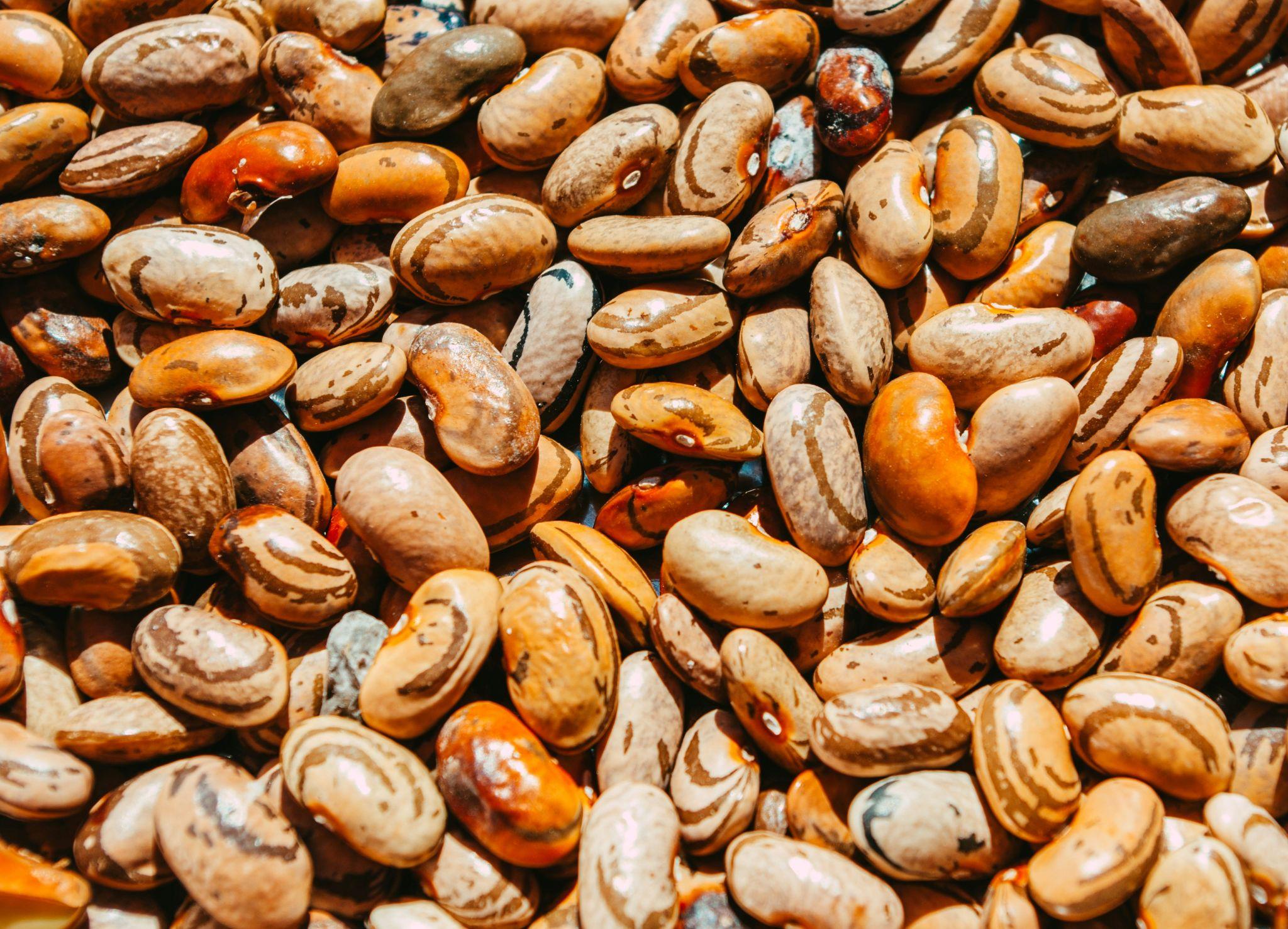
- Legumes (beans, lentils, chickpeas)
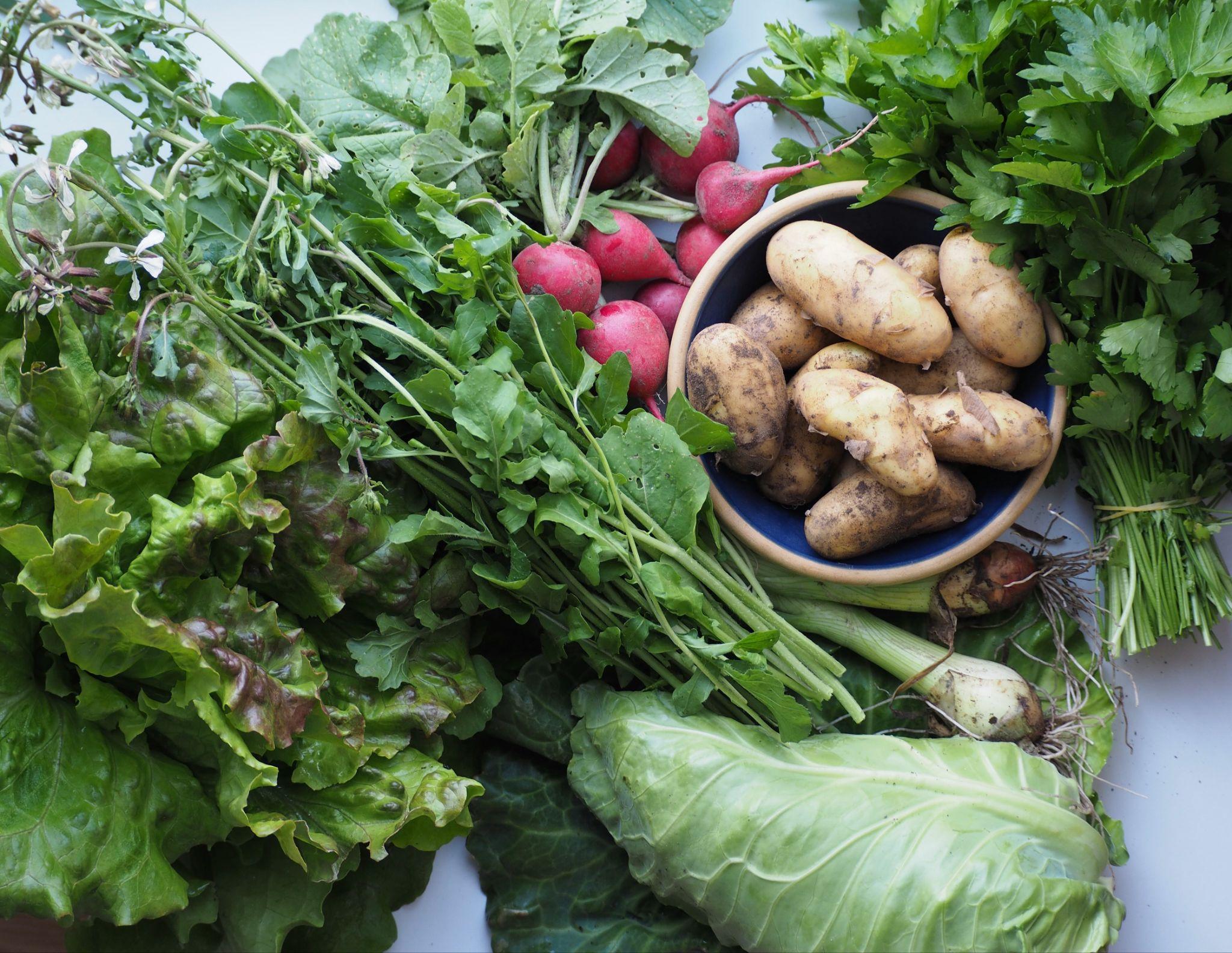
- Potatoes, seasonal vegetables, foraged plants and wild greens
- Sheep and goat milk, fresh ricotta, yogurt
- Seasonal fruits
- Small amounts of meat (typically for special occasions)
- Cannonau wine
Nicoya, Costa Rica
The meals from Nicoya, like Sardinia, have been traditionally quite simple, and largely built around the traditional three sisters of maize (corn), beans, and squash, which is traditionally referred to as milpa (8). This style of interplanting highlights the thoughtfulness and connection to the land that the traditional diet is based upon.
Both corn and black beans are consumed frequently and are staples of the Nicoya diet. (1, 7). Tropical fruits and garden vegetables such as papaya, bananas, plantains, sweet potatoes, and squash bring antioxidants and phytonutrients to round out this diet.
Though meat is consumed in Nicoya, it has consistently been secondary to the plant-based staples and typically used in smaller portions to add flavor and as a part of celebratory dishes. (1, 7) Dairy is also consumed in small amounts and is from cows that are grass-fed versus being fed grain.
Traditional Foods of the Nicoya Peninsula:
- Corn (traditionally prepared as tortillas and simple porridges)
- Beans, particularly black beans
- Seasonal vegetables, including squash, sweet potatoes, greens
- Fresh tropical fruits (papaya, mango, banana)
- Fresh milk and simple dairy foods such as queso fresco
- Eggs
- Small amounts of meat, typically added to soups or stews
- Bone broths and simple, slow-cooked dishes
- Coffee (7)
Okinawa, Japan
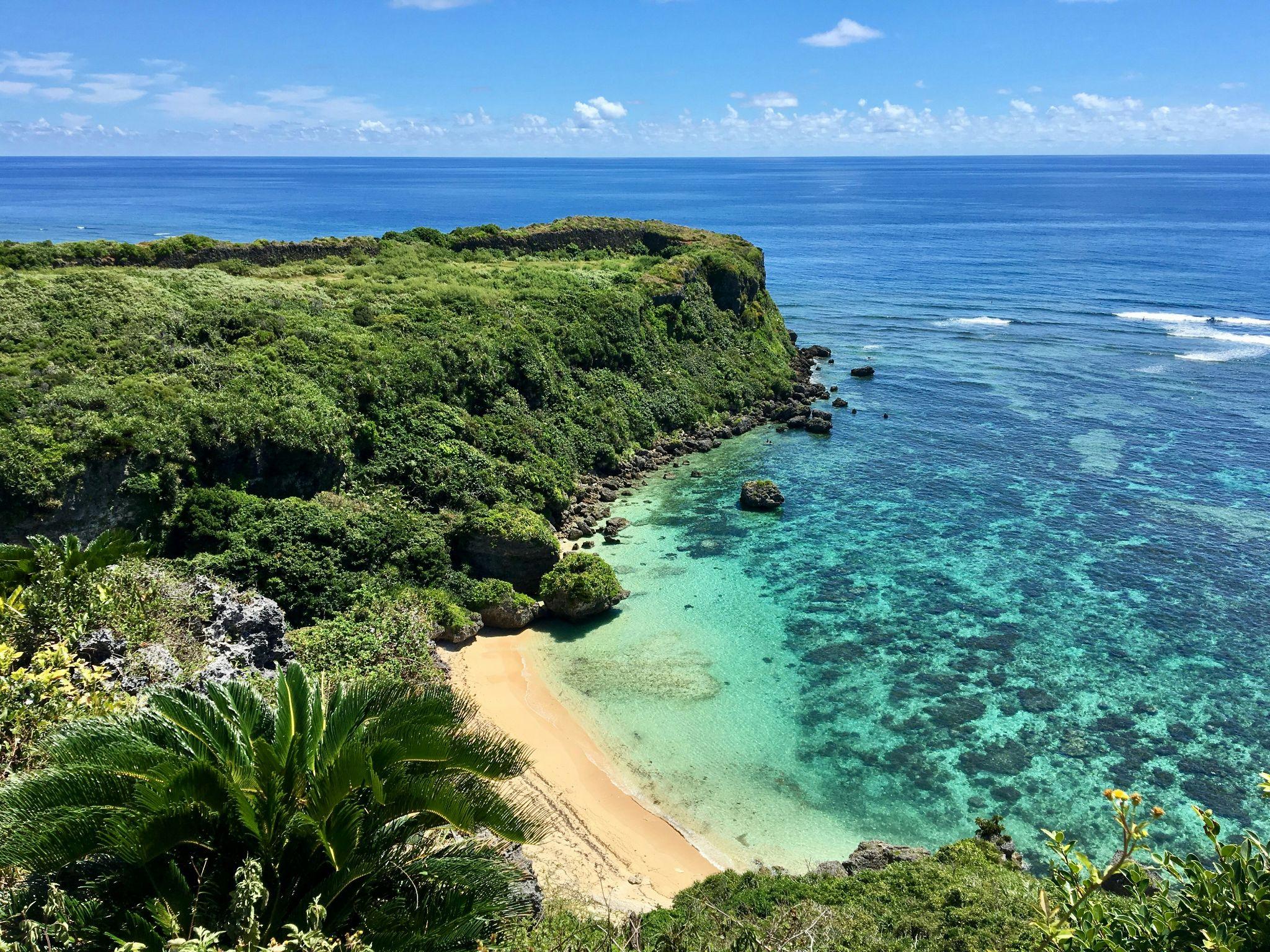
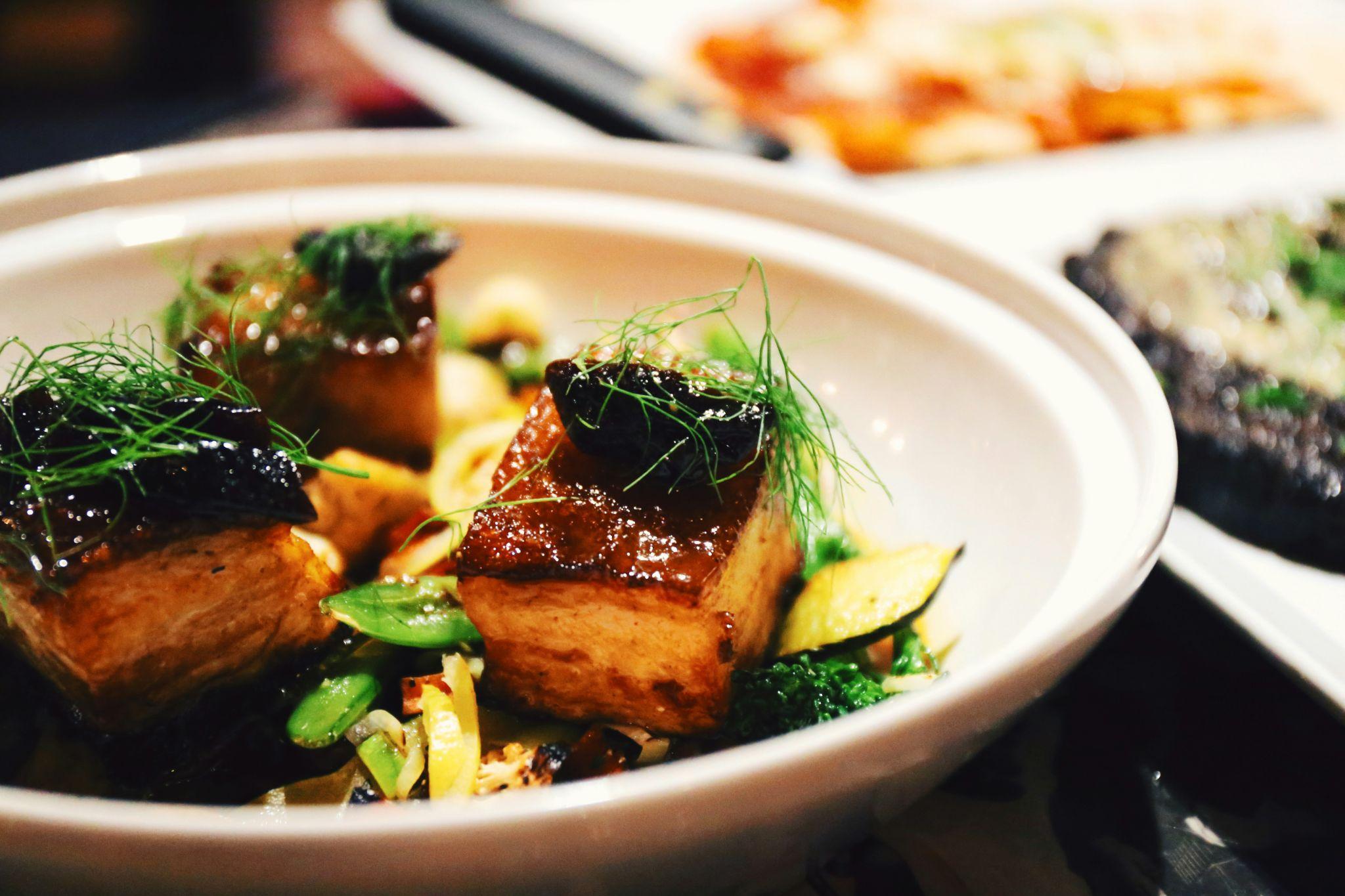
The traditional Okinawan diet is built around vegetables, legumes, and whole grains, with sweet potato as the primary staple carbohydrate rather than rice (3, 9). Tofu, miso, and other traditionally fermented soy foods are commonly used, along with sea vegetables that provide important minerals such as iodine.
Whole grains such as millet and buckwheat also help bring diversity to the diet. Fish and pork are included, but in relatively small amounts, and typically added to vegetable dishes and also to flavor soups.
Similarly to the other blue zone regions, the traditional Okinawan blue zone diet remains predominantly plant-forward, with animal foods playing a secondary role in both frequency and portion size (3, 9). To give this some context, some historical estimates prior to 1950 averaged the daily meat intake to be about 3 grams per day, which is comparable to “a few nibbles." In comparison, the average western portion of meat can be 3–4 ounces, which is 28 times more!
Meal size in Okinawa is, in general, frugal. So much so that the Okinawans even have a mantra to remind them of not overeating. This mantra, hara hachi bu, translates to say, “stomach eight parts out of ten," and reminds individuals to not overeat.
This highlights a Blue Zone theme that focuses not only on what one eats but also on how one eats it.
Another key point is that Okinawa’s longevity pattern is shifting. Earlier generations who maintained traditional, plant-forward eating patterns alongside active lifestyles remain among the longest-lived populations studied (3, 4). However, younger generations are moving away from these dietary patterns, with increases in fat intake, meat consumption, and refined foods. This shift is also accompanied by lifestyle changes such as reduced walking.
The Okinawan case serves as a powerful reminder that longevity is not determined by a single food or nutrient, but by long-term patterns of living—how people eat and move throughout life. It also highlights that while a region may be identified as a “Blue Zone” at a given point in time, this status is not fixed and can be taken away as lifestyles change.
Traditional Foods of Okinawa:
- Sweet potatoes, bitter melon (goya), daikon radish, and leafy greens
- Soy-based foods, including tofu, miso, and fermented soybean products
- Seaweed varieties (such as kombu and mozuku)
- Brown rice and other grains (historically in smaller amounts than sweet potato)
- Fish and seafood
- Small amounts of pork, often used in soups and celebratory dishes
- Herbal teas (including jasmine and green tea)
- Tropical fruits in season
Final Takeaway: Remembering What Matters
The data behind the Blue Zones is largely observational and does not point to one perfect diet but instead highlights what foods have traditionally been eaten in areas known for their marked longevity.
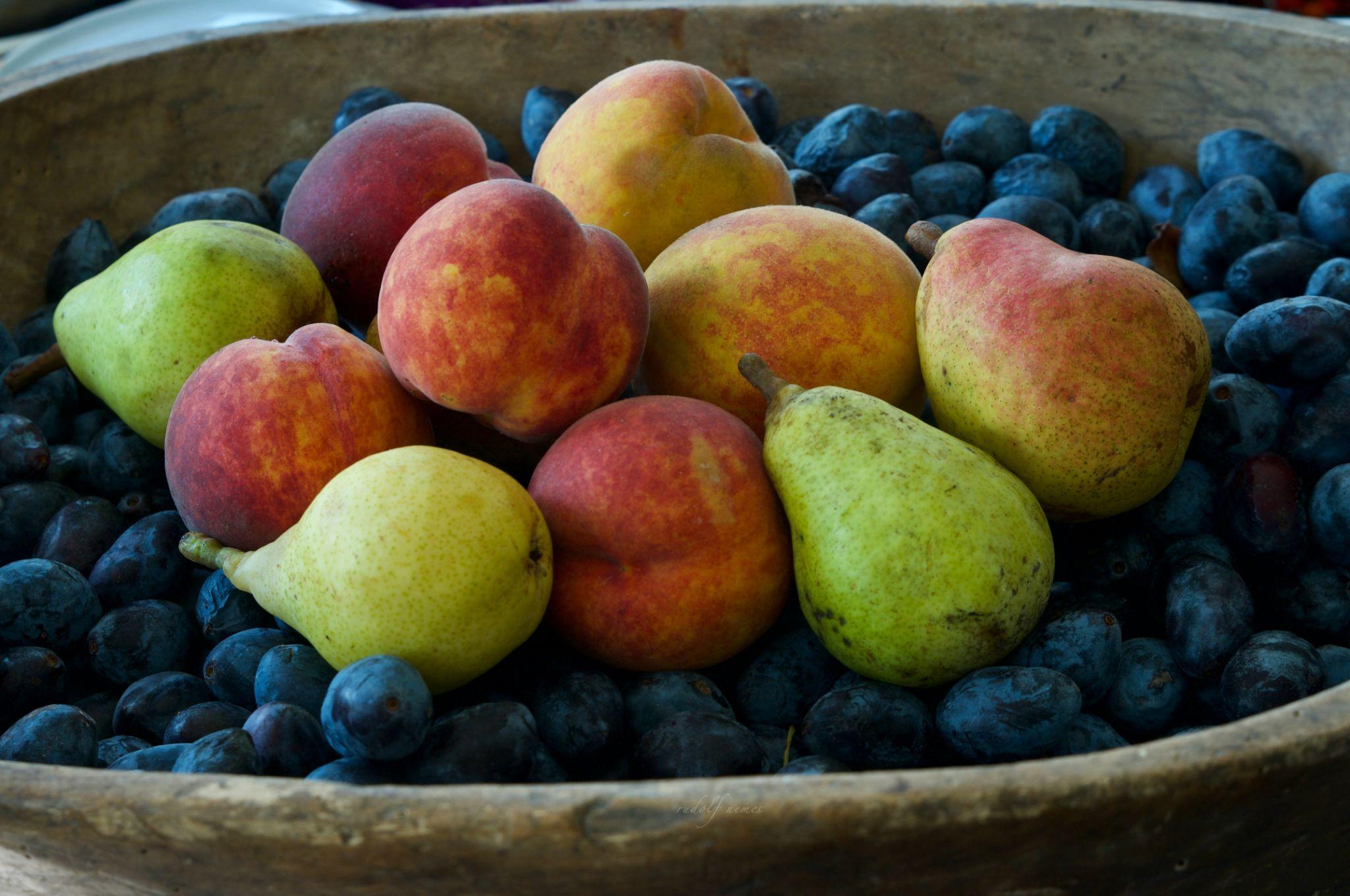
Looking at this research, we see that meals are centered around nutrient-rich and vital whole grains, vegetables, legumes, beans, and fruits as the foundation of the diet (1).
Historically in these areas, animal foods, including dairy, lean meats, and fish, were used in smaller portions over the month, typically to flavor dishes and for special occasions. People from these areas ate frugally and for sustenance. Food was fresh with nutrients intact, nourishing body, mind, and soul.
Love Notes
Nutrition advice is all around us… confusing, contradictory, and at times maddening. My hope is that this article gives you renewed vigor and peace of mind that you can keep meal planning really simple. You do not need a degree in nutrition to plan a healthy family meal, or jump on the bandwagon of passing diet trends.
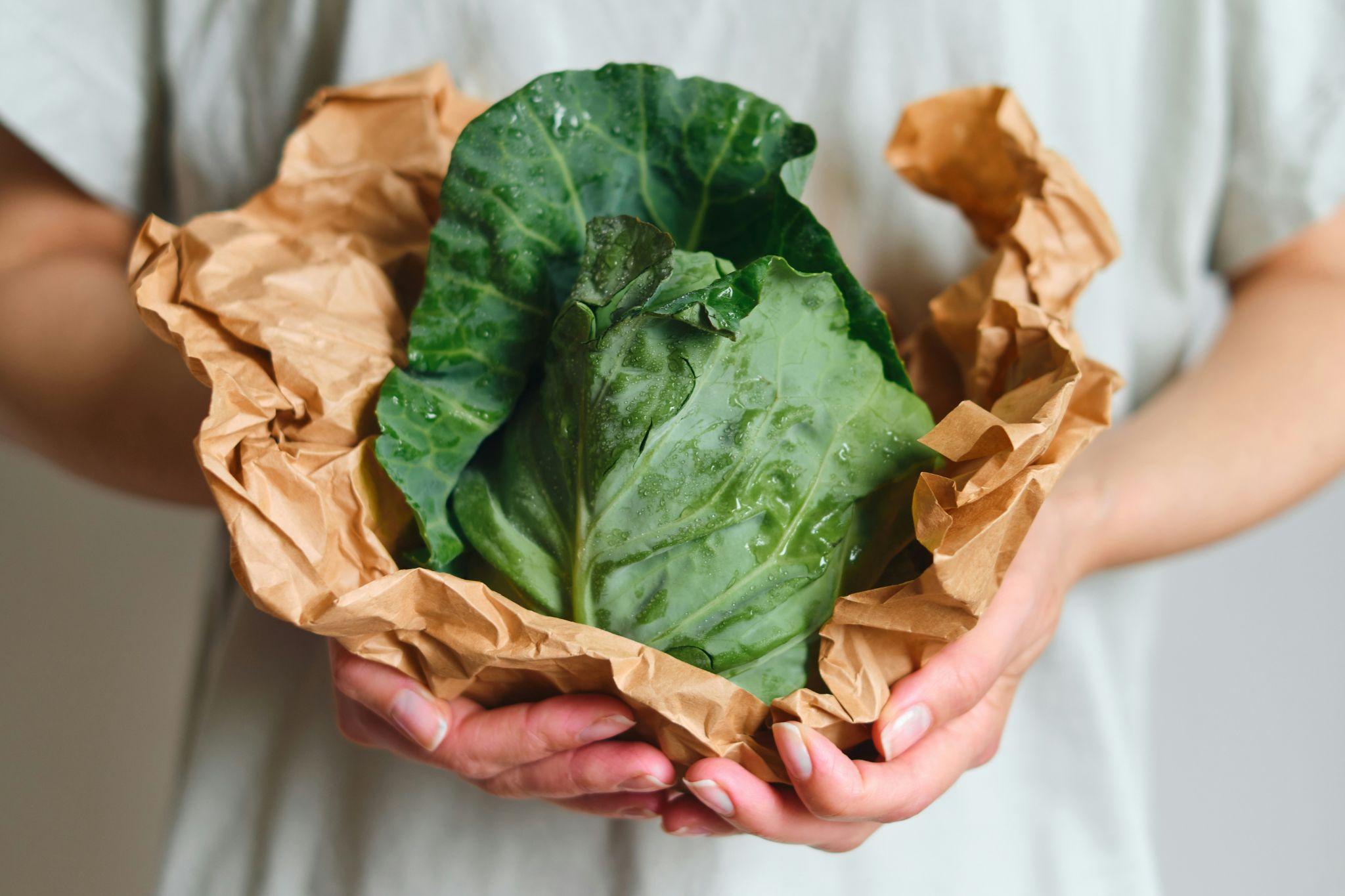
As we can see from the Blue Zones, their shared foods are simple, whole, and full of vitality and freshness.
When diets come and go, compare them to this barometer. I was raised in the seventies, a time when TV dinners, canned soup, and frozen veggies were the norm, and many, many people ate like this. I had never heard of organic foods, and I regularly used the microwave.
Flash forward to my early twenties when I began working at a health food store. My world view, especially around health and nutrition, rapidly shifted as an entirely new reality opened before my eyes.
Diet-wise, I made big shifts and omitted everything refined and switched to organic, nutrient-dense food, very similar to the Blue Zone way of eating. I see that the foods that I eat have made a huge impact on my overall health and well-being. Now instead of following one prescribed diet, I remember, "Keep it simple. Keep it whole. Keep it vital.”
I hope that in reading this article series, you gain inspiration and practical insight that supports you and your family, and that by making some of the above principles a cornerstone of your meals, especially in conjunction with positive lifestyle choices, you and yours can prosper and thrive.
To your health,
Penelope
Curious about how to plan healthy meals? Continue reading Article Three: How to Build Family Meals that Nourish Longevity
References
- Candal-Pedreira, C., et al. (2025). Blue Zones, an analysis of existing evidence through a scoping review. Aging and Disease.
- ScienceDaily. (2025, May 20). Study examines death rates among bodybuilders.
- Willcox, D. C., Scapagnini, G., & Willcox, B. J. (2014). Healthy Aging Diets Other Than the Mediterranean: A Focus on the Okinawan Diet. Mechanisms of Ageing and Development.
- Okinawa Research Center for Longevity Sciences. Okinawa Centenarian Study (OCS).
- Carta, M. G., et al. (2021). Evolution of the dietary patterns across nutrition transition in the Sardinian longevity Blue Zone. Nutrients.
- Pes, G. M., & Poulain, M. (2004). Identification of a geographic area characterized by extreme longevity in Sardinia. Experimental Gerontology.
- Rosero-Bixby, L., & Dow, W. H. (2009). Surprising SES gradients in mortality, health, and biomarkers in a Latin American population of adults. Journals of Gerontology Series B.
- U.S. Department of Agriculture. The Three Sisters of Indigenous American Agriculture.
- Willcox, B. J., Willcox, D. C., Todoriki, H., & Suzuki, M. (2019). The Okinawan Diet and longevity.

.jpg)