Vital Child pt 2: Practical Steps to a Healthy Home
In Vital Child Part 1, we touched on foundational concepts for robust child health—connection to nature, mindful movement, quality sleep, and family bonds. Now, in Part 2, we offer a step-by-step “inventory” of practical actions to help bring a healthy home into reality. From stocking the fridge with wholesome foods, to resources on finding the healthiest cleaning products; here is a go-to checklist of areas to consider when creating a home that supports your family’s health and well-being.
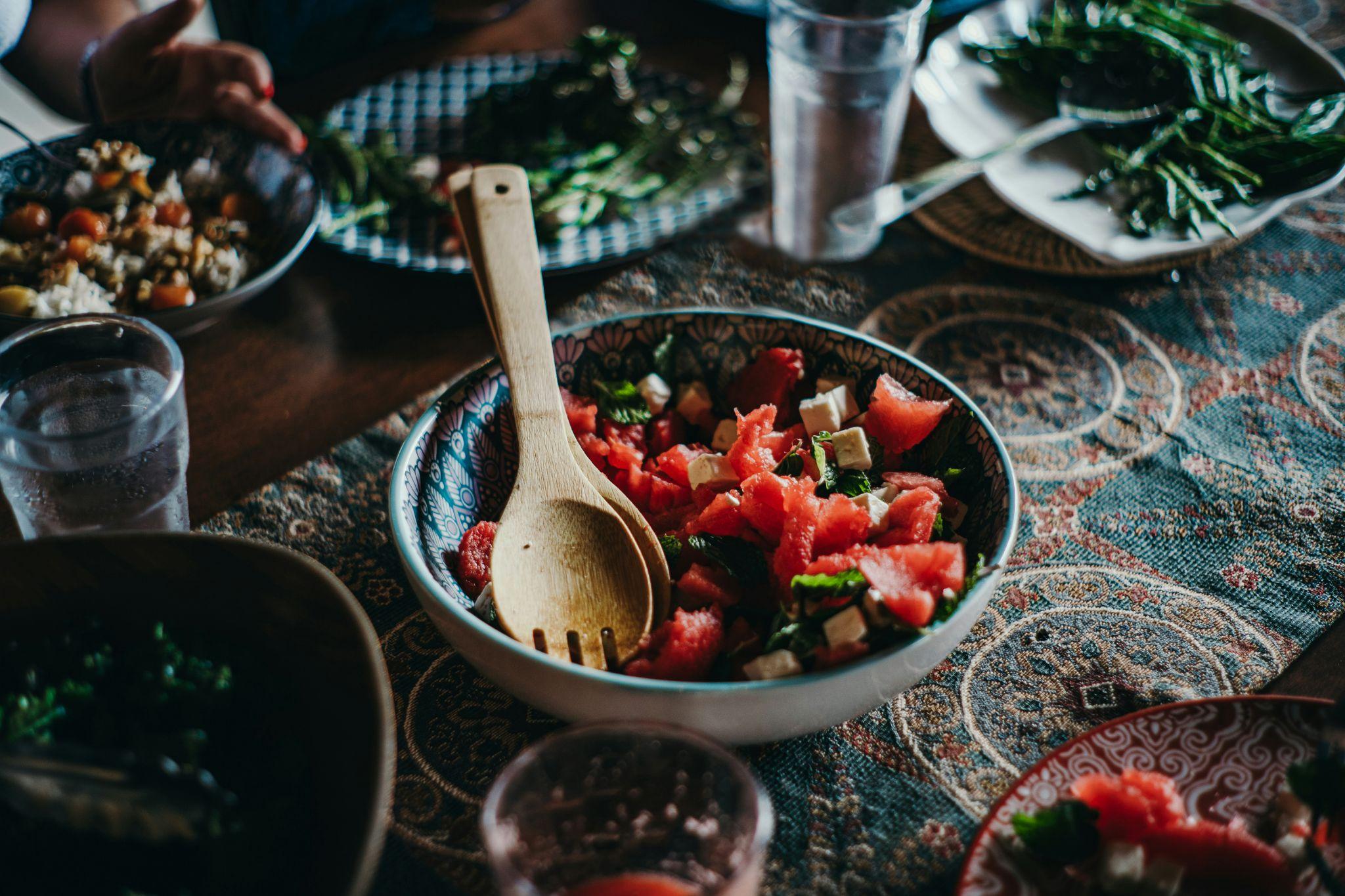
Clean Out the Pantry and Bring in Whole Foods
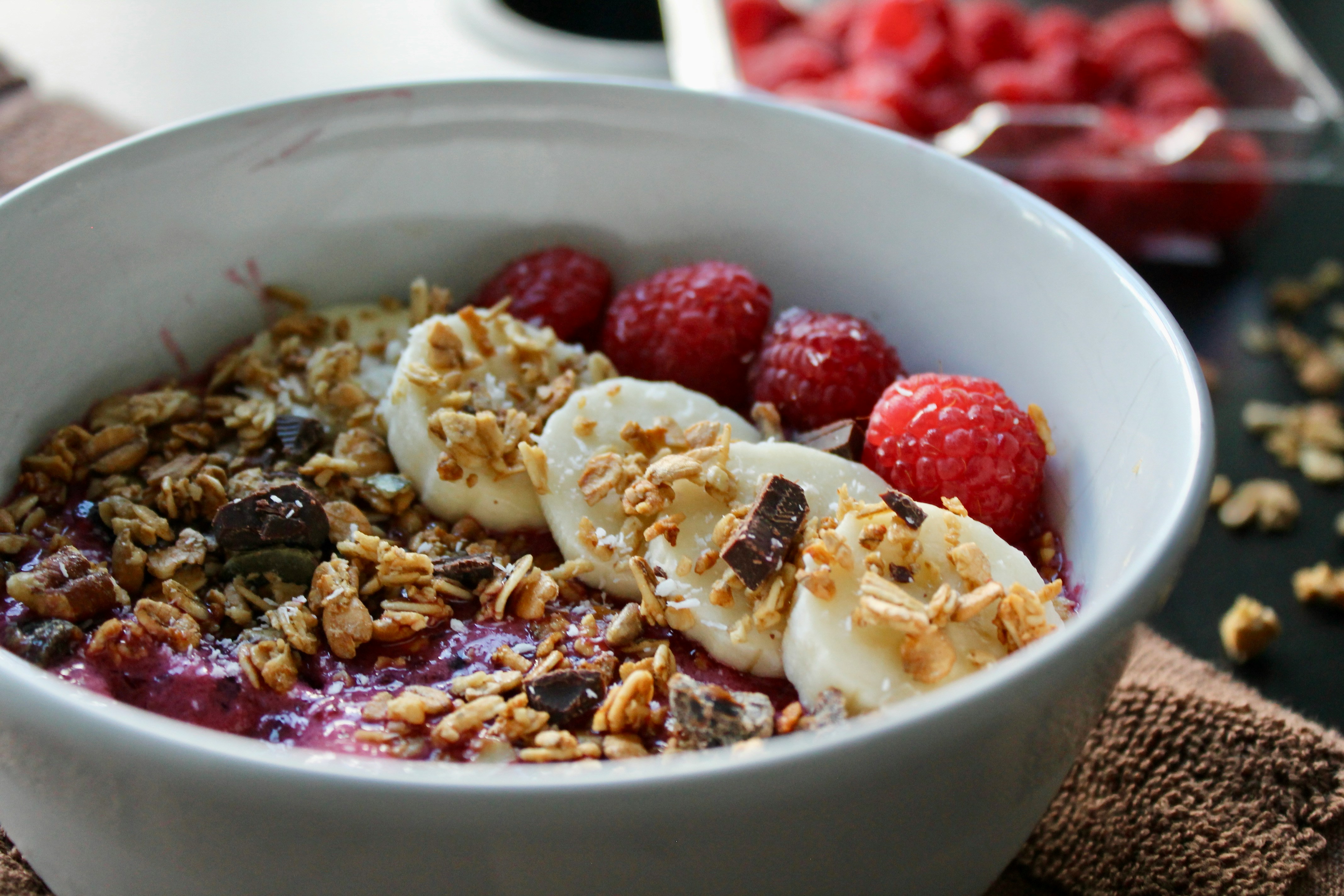
One of the greatest impacts on our children’s health is the quality and nutritive value of the food that they eat. By introducing them to whole foods at a young age, we can also influence their palate so that they are naturally drawn to nutrient-dense foods.
Some fun ways to make healthy eating appealing include:
- Grow a garden together, even a mini one indoors if need be.
- Get the kids involved in menu planning and cooking.
- Create colorful, visually appealing meals.
- Have a list of easy-to-prepare meals for hectic days.
- Go to the Environmental Working Group and check out the most important foods to buy organic.
- Consume a rainbow of color each day, emphasizing fresh fruits and vegetables.
A very impactful piece of advice that I read on this topic was by Sharifa Oppenheimer, in her book Heaven On Earth. In it, she shared how she invested in always having the fridge stocked, and because of this, her house became the go-to house for her sons and their friends. As a bonus, her sons also became quite adept at cooking.
Healthy kid-friendly picks for the fridge:
- Veggie trays and protein-rich dips like hummus
- Healthy homemade pizza and burrito fixings
- Kombucha instead of sodas
- A well-stocked fruit bowl
Some may think that children would turn up their noses at all of this healthy food! Instead, what I have seen is that many of my son’s friends have become very talented in the kitchen and naturally choose healthier options the majority of the time.
Resources:
- Environmental Working Group
- Organic Consumers Association
- Feeding the Whole Family, Cynthia Lair: Amazon
- Feeding the Young Athlete, Cynthia Lair: Amazon
Assess Products Used Within and Outside the Home
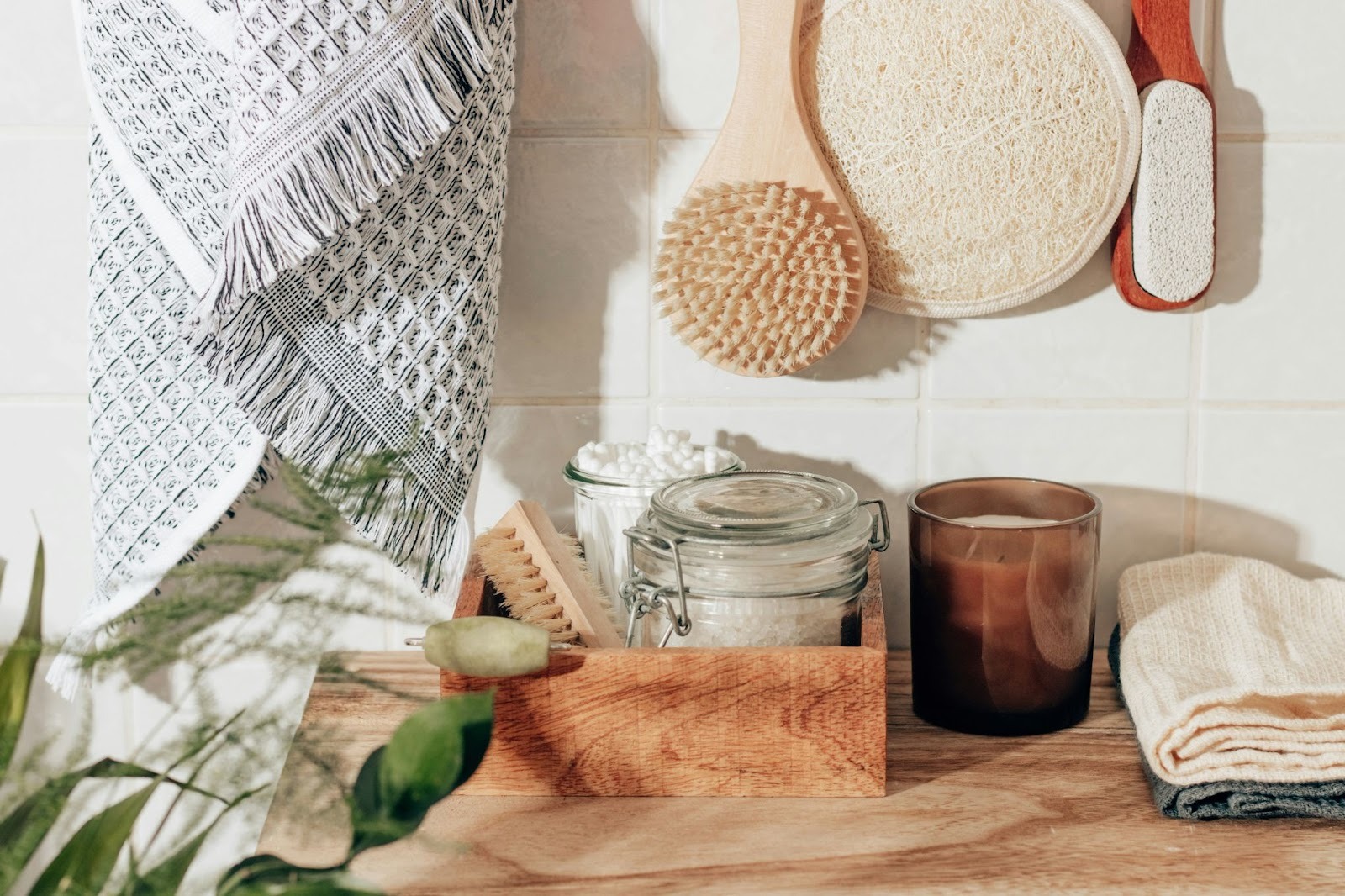
Consider the ingredients in your household cleansers, dish soap, laundry detergent, air fresheners, pesticide services both within the home and outside the home, and chemicals such as weed killers.
Tips for safer options:
- Opt for environmentally friendly cleansers (50/50 vinegar and water works well on many surfaces)
- Check "natural" products using apps like Yuka or the Environmental Working Group website
- Ditch antibacterial products—diverse microbial exposure supports immune health and prevents antibiotic resistance
Resources:
- Audible: Natural Home Cleaning
- Beyond Pesticides
- NonToxU
- The Naturally Clean Home: Amazon
- Yuka App

Tips for Good Indoor Air Quality
- Limit candles scented with synthetic fragrances—opt for beeswax or essential oil–scented candles
- Avoid synthetic air fresheners; use pure essential oils in diffusers
- Open windows regularly to bring in fresh air
- Install woodstoves properly to protect air quality
- Invest in a HEPA air filter
- Address mold promptly with proper remediation
- Choose solid wood furniture instead of particle board to reduce off-gassing
Keep Play Healthy
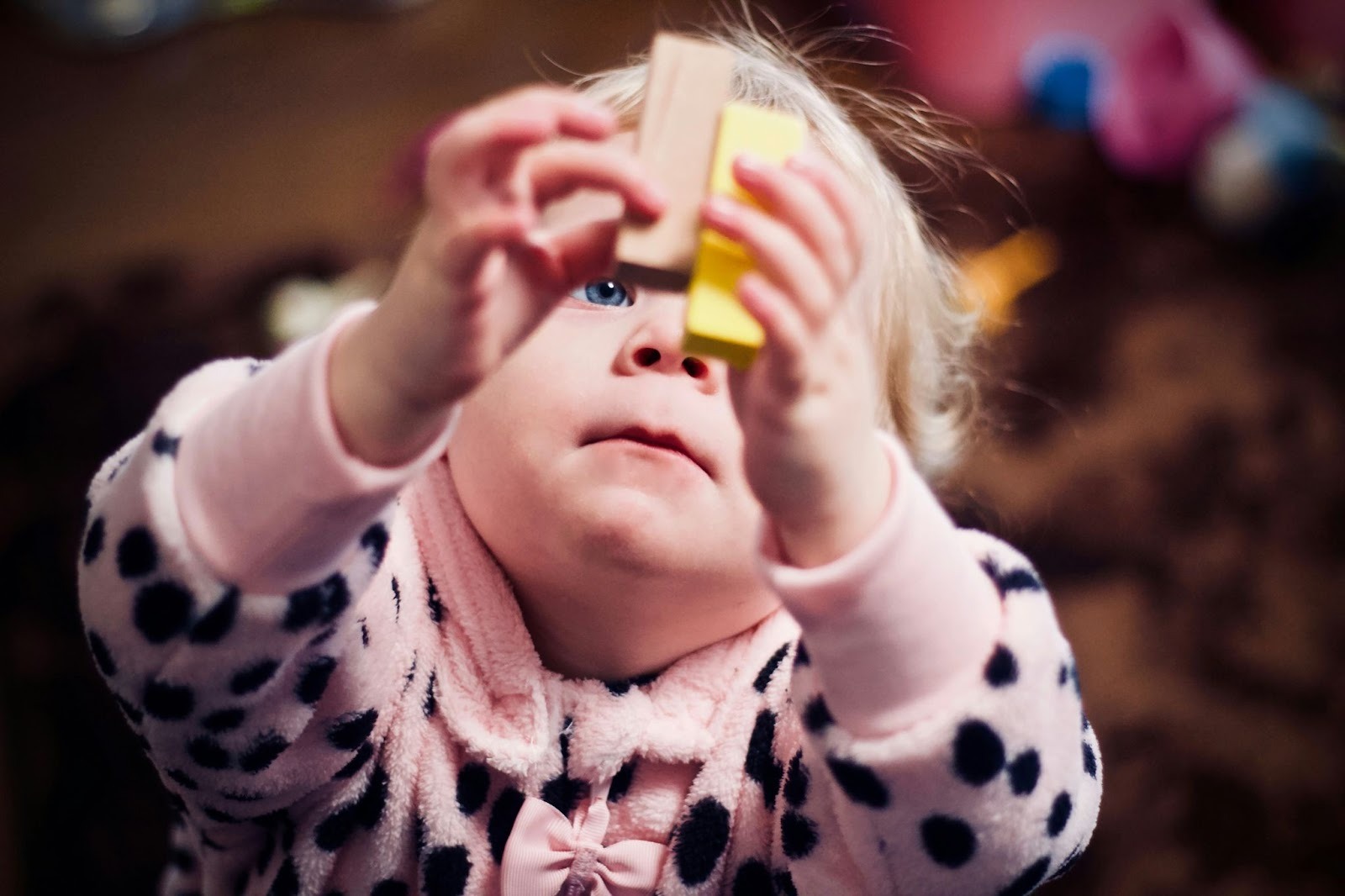
Play is a critical part of children’s development—physically, socially, and cognitively. Choosing safe, high-quality toys and encouraging active play supports health and creativity.
Tips to help keep play healthy
- Opt for wooden toys instead of plastic whenever possible, ideally bare wood or vegetable-dyed.
- Avoid toys with harmful paints or strong chemical odors, as children often put toys in their mouths.
- Less is more—fewer, higher-quality toys encourage more imaginative and active play.
- Active toys make active children; inactive toys make inactive children. Encourage movement and interaction.
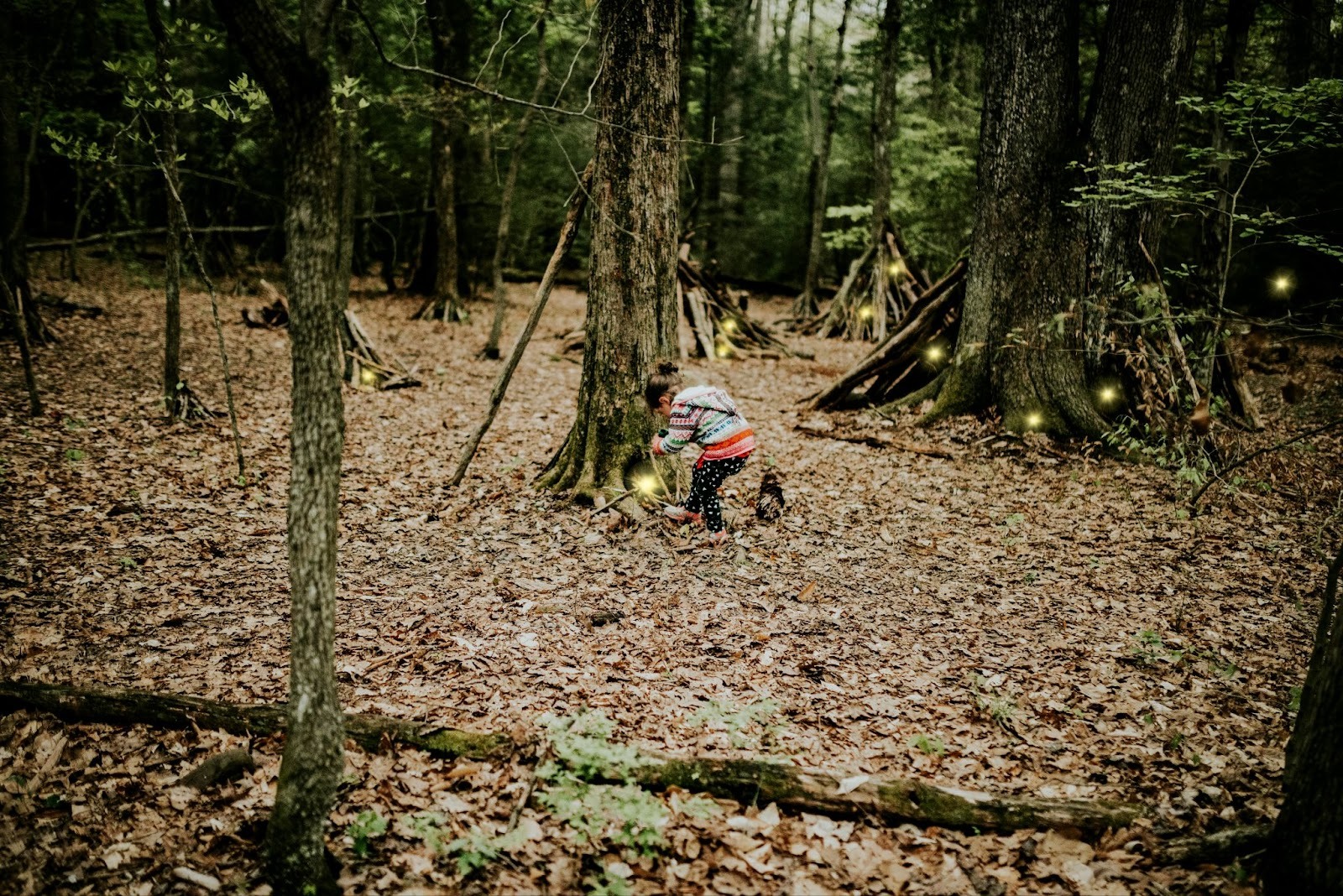
- Outdoor play is essential—gardens, parks, and unstructured outdoor time provide exercise, sunlight, and nature exposure.
Resources:
- Nova Natural – https://novanatural.com/
- Bella Luna Toys – https://www.bellalunatoys.com/
- Sarah’s Silks – https://www.sarahssilks.com/
- Nature Play at Home: Creating Outdoor Spaces that Connect Children with the Natural World by Nancy Striniste – Amazon
- The Organic Artist for Kids: A DIY Guide to Making Your Own Eco-Friendly Art Supplies from Nature by Nick Neddo – Amazon
Filter Household Water
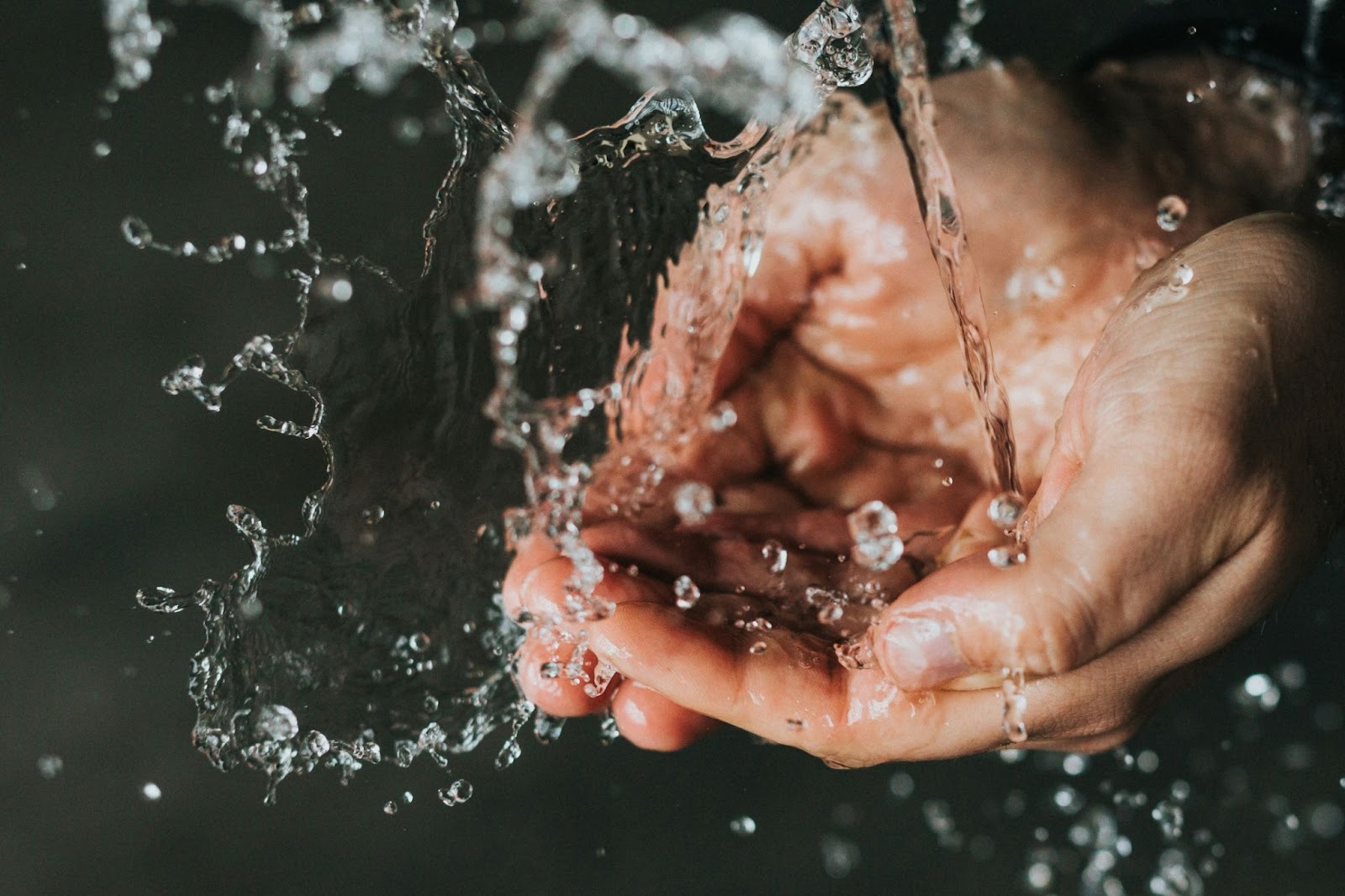
When I was living in Sacramento as a new mother, I was shocked to read that the drinking water had traces of perchlorate in it, a substance used in rocket fuel. Though I was already drinking filtered water, I immediately went out and bought a shower filter. The truth is that even “clean”-looking tap water is often loaded with numerous chemicals that can be challenging to our health and in particular to our more sensitive children. Nowadays, there are a range of ways to filter water that are more accessible to different economic groups.
Resources: Environmental Working Group Water Guide
Minimize EMF Exposure
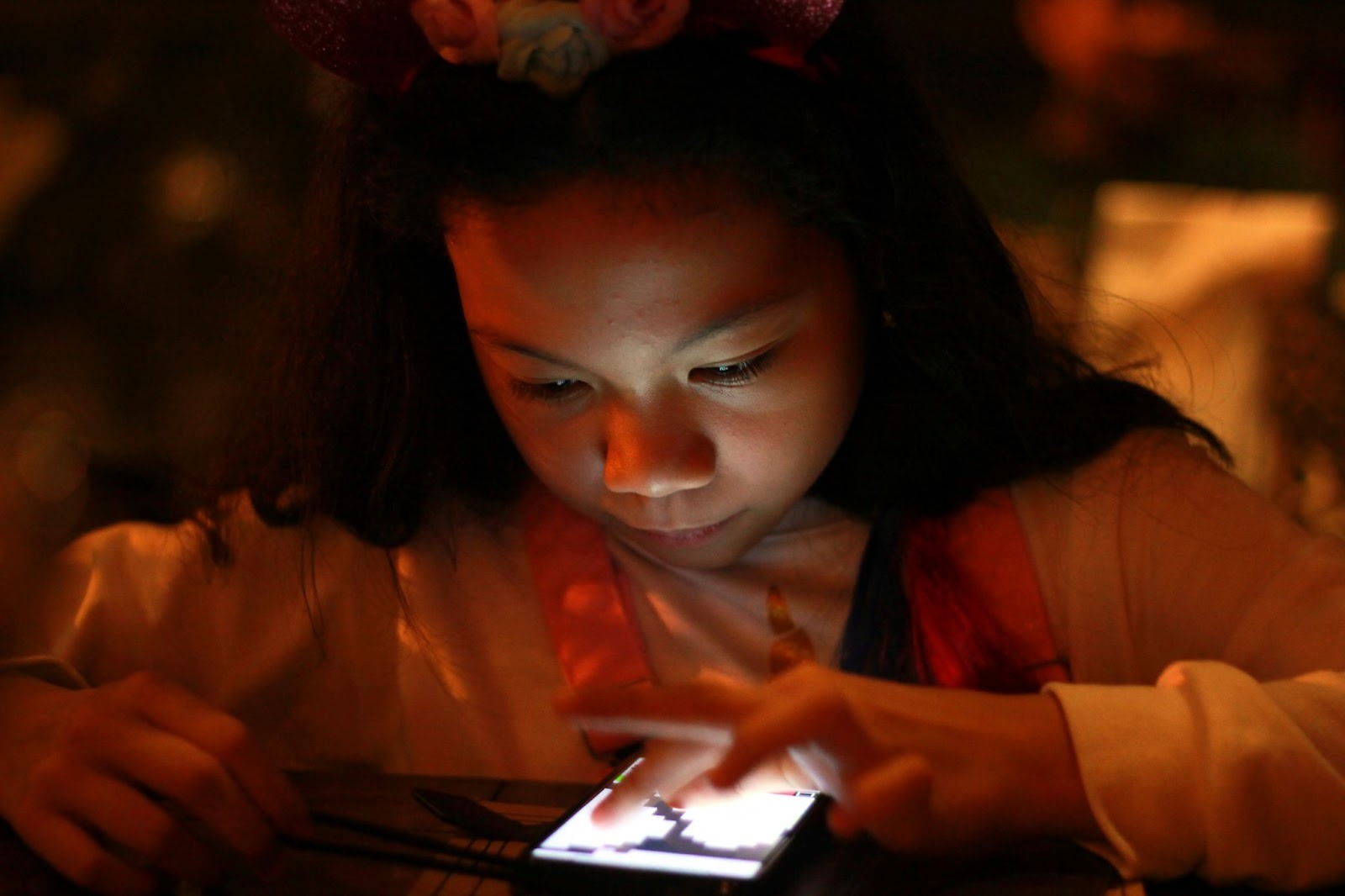
Researchers in a 2021 meta-analysis found that 36,000 children diagnosed with childhood leukemia had statistically significant associations between exposure to ELF-MF and childhood leukemia. (1) EMFs are an area that the general public is just beginning to learn about, and as with any newer technology, we are in the process of learning the long-term impacts. Because our world is becoming increasingly online, and more and more children have their own devices, it feels important to include this category and offer resources that may help consumers make more educated decisions on their family’s exposure.
Tips that may help minimize EMF exposure include:
- Never put a cell phone directly to the ear. Use the speaker option, as well as wired earphones.
- Opt for wired versions of technology vs. Bluetooth.
- Limit time on devices; proximity and duration increase risk.
- Limit use within cars and areas with poor signals.
- Turn your phone on airplane mode or use a protective case.
- Talk to utility companies about replacing smart meters with analog meters.
- Do not place beds or regular-use areas near large appliances.
- Wire computers instead of using Wi-Fi; turn off Wi-Fi when sleeping.
- Delay giving children devices, such as cell phones, until later in life.
- Text when possible instead of calling.
Resources:
Spend More Time in Nature
According to an October 8, 2025, Pew Research Center Report, out of parents of children 12 years old and younger, 68% said that their children had a tablet, and 61% said that they use a smartphone. (2) To compound matters, most schools now largely draw upon digital devices for educational needs. Again, as stated before, with new technology, or in this case, increased use of technology, we are still unaware of the long-term ramifications of this magnitude of usage. Below are some resources to navigate this new terrain:
Resources
Create Family Connection
One of the people who most impacted my parenting style is Dr. Laura Markham of Peaceful Parenting Happy Kids. What I love most about Dr. Markham is her emphasis on developing a long-term relationship with our children. I remember her discussing studies on parenting in which a more lenient style of raising children was compared with a more disciplinarian approach:
- Children of lenient parents did not excel without boundaries
- Children of authoritarian parents rebelled
- The "sweet spot" is parents who set boundaries while showing empathy
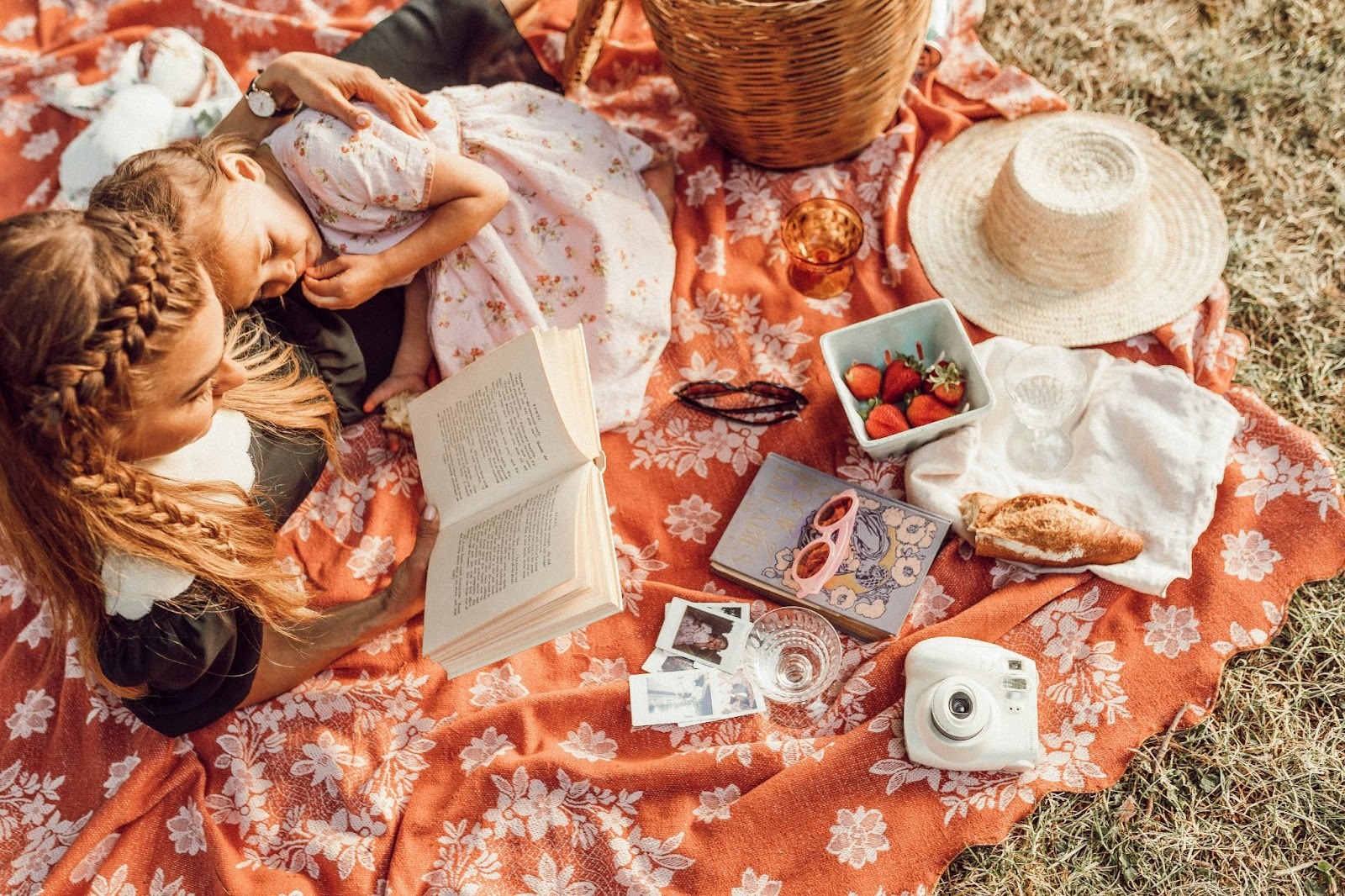
Another key takeaway from Dr. Markham was the idea of Special Time—a time set aside purely for connection. No phones or distractions… only connection. Though it was only 15–30 minutes, this time became very special to my son as a child.
Resources:
- Peaceful Parenting Happy Kids: Website
- Positive Discipline: Website
- Raising Your Spirited Child: Amazon
Help Children Create Healthy Sleep Habits
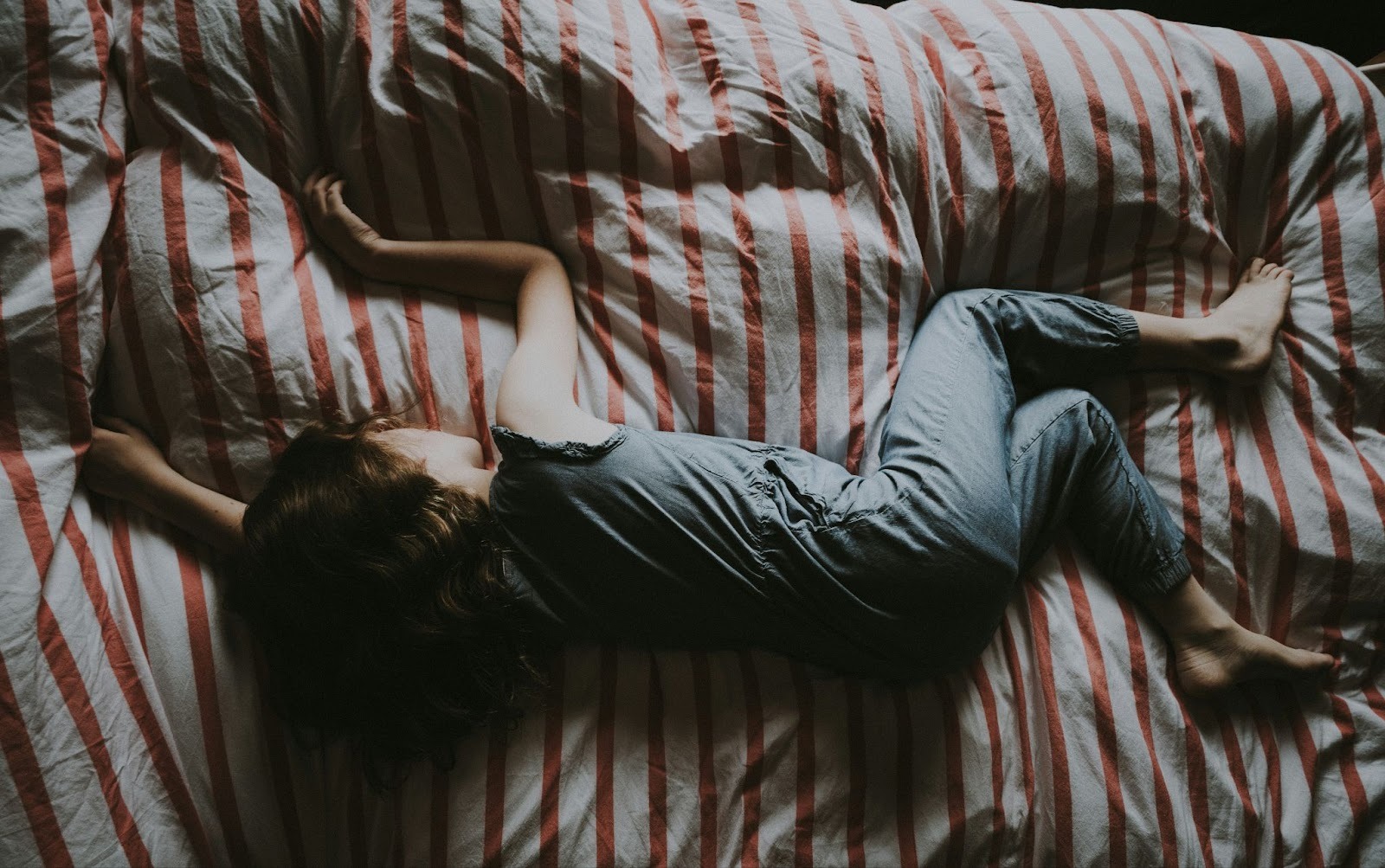
We all know how we feel grumpy when we do not get enough sleep. For children, sleep impacts mood, ability to self-regulate, academic performance, immune response, and may also affect propensity to obesity due to appetite-regulating hormones leptin and ghrelin. (3,4,5)
Tips that promote deep sleep:
- Earn your sleep with physical activity throughout the day
- Have a wind-down routine—bath followed by a story with dimmed lights
- Allow at least 2–3 hours between eating and sleeping to aid digestion
- Keep electrical devices away from the bed
- If in a city or noisy area, consider a white noise machine
- Use lavender on pillows or in a diffuser to increase relaxation
- Maintain a slightly cooler room with adequate blankets
- Give children a way to process the day earlier—gentle roughhousing can help release tension
- Use blackout curtains and get 10–15 minutes of morning sun to support circadian rhythm
Resources:

Love Notes…..Progress over perfection.
Whether you’re just beginning or already thriving, every small, thoughtful step toward a healthier home matters. Approach each change with intention, curiosity, and care—invite your family or a circle of like-minded friends for support and even a little joy along the way. Small, steady shifts add up, and remembering that life is about progress, not perfection, can make the journey feel empowering rather than overwhelming.
To your health,
Penelope
- Seomun, G., Lee, J., & Park, J. (2021). Exposure to extremely low‑frequency magnetic fields and childhood cancer: A systematic review and meta‑analysis. PLOS ONE, 16(5), Article e0251628. https://doi.org/10.1371/journal.pone.0251628
- Pew Research Center. (2025, October 8). How parents manage screen time for kids. https://www.pewresearch.org/internet/2025/10/08/how-parents-manage-screen-time-for-kids/ Pew Research Center
- Sleep and cognitive/emotional development:
Beattie, L., Kyle, S. D., Espie, C. A., & Biello, S. M. (2015). Social interactions, emotion, and sleep: A systematic review and research agenda. Sleep Medicine Reviews, 24, 83–100. https://doi.org/10.1016/j.smrv.2014.12.005 - Sleep and physical growth/health:
Owens, J., Adolescent Sleep Working Group, & Committee on Adolescence. (2014). Insufficient sleep in adolescents: Causes and consequences. Pediatrics, 134(3), e921–e932. https://doi.org/10.1542/peds.2014-1696 - Sleep and behavioral outcomes:
Sadeh, A., Gruber, R., & Raviv, A. (2002). Sleep, neurobehavioral functioning, and behavior problems in school-age children. Child Development, 73(2), 405–417. https://doi.org/10.1111/1467-8624.00417


.jpg)