Blue Zones pt. 1: How to Build a Healthy Family Lifestyle (Based on the Blue Zones)

This article series explores lifestyle patterns of longevity centers around the world. These are places that have a high percentage of centenarians and supercentenarians in comparison to neighboring areas. By reading, you’ll learn practical ways that you can incorporate these principles into your home, supporting your family’s health and longevity.
The original inspiration behind Herbal Mamas came from countless nights staying up way too late, researching the “best way” to support my child’s health. Talking with friends, I knew that I was not alone. I dreamt of an information hub that housed the crème de la crème of motherly wisdom that we as mamas could go back to again and again.
In pouring over books and websites, I became intrigued by longevity centers—areas throughout the world where an exceptionally high percentage of the population shares a higher than expected lifespan. Going further, many within this group tend to retain a good deal of physical robustness and overall vitality as they age [1, 2].
Curious and inspired, I realized what an asset this wisdom would be for growing families. I also felt drawn to studying the longevity centers as a way to cut through the noise.
As a mother it can be incredibly overwhelming wading through the many different views on child rearing, let alone health advice. I thought, if there are people living longer than most, why not start there as the first place to draw wisdom from?

The Foundational Principles of the Blue Zones
The term “Blue Zone," or Longevity Blue Zone (LBZ), came into existence when, in 2000, Belgian demographer Dr. Michel Poulain and Sardinian physician Dr. Gianni Pes were combing through village records in the Nuoro province of Sardinia, verifying the ages of people who had lived to 100 years of age and beyond. They were intrigued when they discovered that certain communities within Sardinia had significantly more centenarians than the island as a whole. Accordingly, they designated these spots on the map with a pen that happened to be blue [3]. Hence the name Blue Zone.
The concept gained international recognition when National Geographic Explorer Dan Buettner joined the research, expanding the work to include additional longevity regions.
While individuals have been studied for exceptional longevity for quite some time, when entire clusters of people seem to be living longer in contrast to neighboring areas, this is referred to as population longevity. When entire clusters of people are living longer lives, this signals that there may be contributing factors that are lengthening life span beyond individual genetics.
To ensure accurate data, the ages of the people within these regions were researched through:
- verification of birth and death records where available
- cross-checking of reported ages with family and community documentation
- comparison of centenarian density across regions [3]
Dr. Poulain and Dr. Pes discovered that in these mountainous communities of Sardinia, there were about 16.6 centenarians per 100,000 versus the approximately 10 per 100,000 that were seen in Europe. [1]
The Unfolding Findings of the Longevity Blue Zone Research
Sardinia is not alone in this type of research. Okinawa, Japan; Nicoya, Costa Rica; Ikaria, Greece; and Loma Linda, CA, along with others, have been researched to see if they can be deemed a Longevity Blue Zone.
One of the most well-known long-term studies in the field of longevity is the Okinawa Centenarian Study, launched in 1975 by Dr. Makoto Suzuki. It is one of the longest continuously running studies of centenarians in the world, following thousands of participants over multiple decades and examining diet, lifestyle, genetics, and other factors related to aging [4].
This research has consistently highlighted that longevity is not driven by a single factor but rather a combination of daily habits such as movement, diet quality, stress regulation, social connection, and sense of purpose. [1][5][6]
It is important to understand that Blue Zone regions are not static. On one hand, new regions are currently being discovered, while at the same time, existing LBZ regions may show declining longevity patterns if, for example, characteristics such as consuming more refined foods increase. In these cases, this can lead to regions no longer sharing the traits needed to be considered a Blue Zone. [2]
The Shared Blue Zone Principles
While each Blue Zone reflects its own distinct culture, traditions, and regularly consumed food items, research has identified lifestyle patterns associated with longevity, shared by each region. Early demographic work led by Michel Poulain and colleagues identified seven broad lifestyle characteristics across these populations [5]. These findings were later translated into a widely accessible framework by Dan Buettner, organized as nine principles, the “Power 9" [6].
Examples of shared patterns seen across the Longevity Blue Zones:
- Daily movement is naturally integrated into life through activities such as walking, gardening, and manual work. A fancy term for this is non-exercise activity thermogenesis, which refers to movement that is not a part of a structured workout. People in the LBZ areas tend to move a lot as a natural part of life.
- People tend to eat in moderation and stop eating before fullness (often around 80%). In Okinawa this is seen with the mantra "hari hachi bu," which reminds one to fill their stomachs eight parts out of ten. In similar fashion, Sardinians, especially in pre-war times, were known for their frugal eating pattern.
- The traditional and simple meals prior to shifts in modernization or westernization were composed largely of whole foods and predominately derived from plants, including vegetables, legumes, fruits, nuts, and whole grains as the central component.
- In traditional diets (in contrast to any modernized shifts), animal foods are generally consumed in smaller portions and less frequently, often incorporated into soups or traditional dishes rather than served as the centerpiece or reserved for celebratory occasions.
- Chronic stress is reduced through daily practices such as rest, reflection, spiritual routines, and communication with one another.
- Strong family bonds and intergenerational relationships are highly valued.
- A sense of purpose and community belonging is central to daily life [5, 6].
These findings remind us that while we may not live in Sardinia, Okinawa, or Nicoya, we can impact the lifestyle choices of our family, which in turn may greatly impact overall health and well-being.
Critiques of the Blue Zones
Accuracy of Ages
In general, one of the most common critiques of longevity research is the accuracy of validating ages of participants, particularly when considering earlier times when birth and death records were less consistently recorded, incomplete, and at times non-existent. To ensure that LBZ data was as accurate as possible, researchers, including Dr. Michel Poulain and Dr. Gianni Pes, employed multi-source validation methods, including cross-referencing civil birth and death registries, church records, and genealogical reconstruction of entire populations in order to confirm ages and greatly limit documentation error. [1][2]
A 2025 analysis in The Gerontologist re-examined these methodological critiques and concluded that while extreme age validation does require caution, the overall pattern of longer lifespans seen in well-studied populations is still considered reliable in population research [7].
Characterization as Plant-Based
Beyond age verification, another common critique is that Blue Zone diets are often described as “plant-based,” despite not being vegetarian. This point is valid but often reflects a misunderstanding of how the term "plant-based" is used in this context.
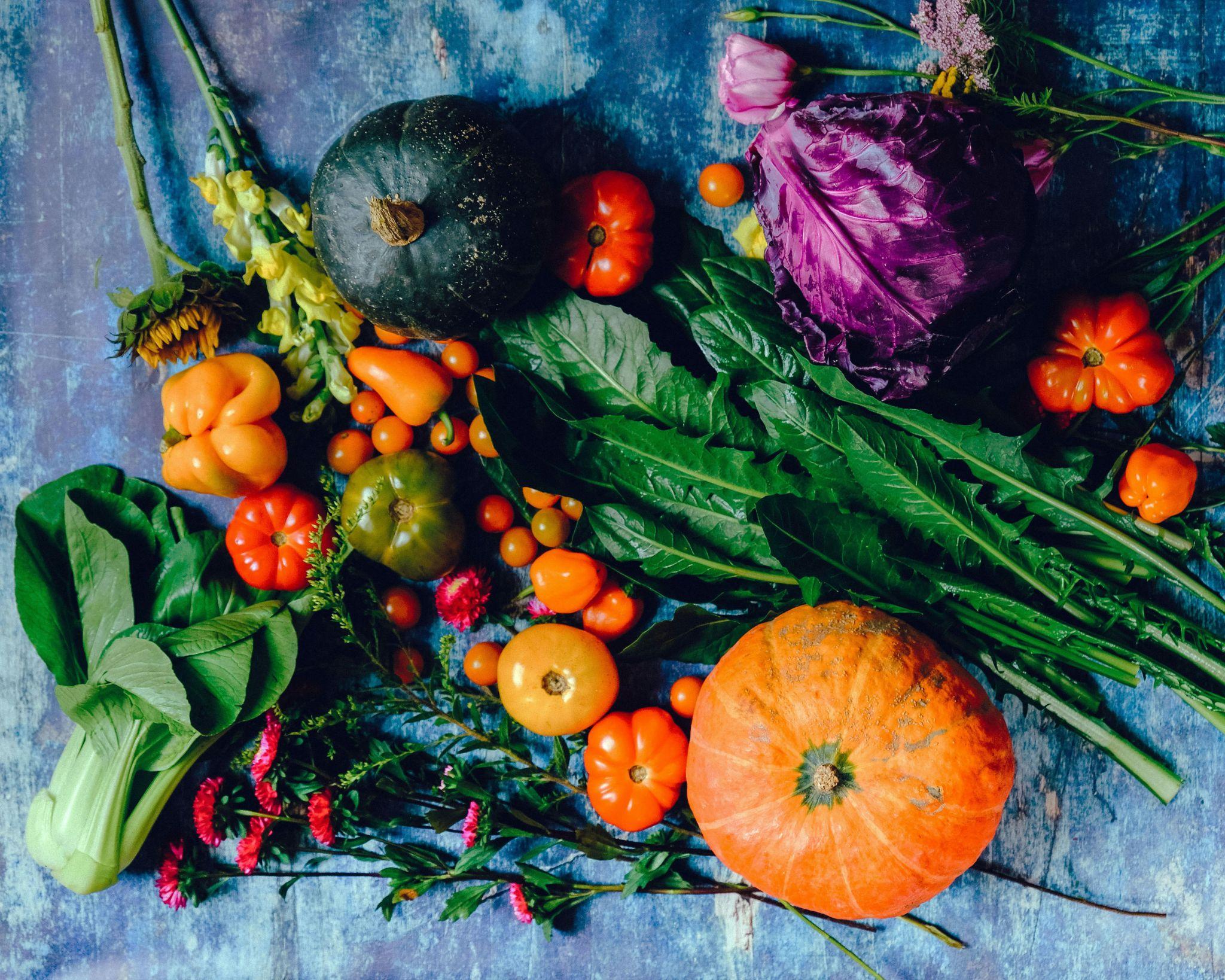
While these traditional diets are not vegetarian, the characterization of “plant-based” is meant to emphasize the high amounts of plant-derived food consumed rather than intended to exclude animal foods. To clarify this point, the term "plant-slant" has begun to be used, or "plant-forward."
Across regions such as Okinawa, Sardinia, and Nicoya, dietary patterns of traditional meals consistently show that plant-derived foods formed the foundation of daily meals, while animal foods were typically consumed in smaller quantities and/or less frequently [4][8][9][10][11][12]. Examples of animal food usage include using lard to cook with, bonito flakes, eating fresh ricotta or fresh yogurt, putting small pieces of lean meat in stews, or using a bone broth for soup. Going further, many of these areas have historically eaten very frugal diets with lower caloric intake to begin with.
On this note, it is important to realize that modern data showing current dietary patterns does not always reflect the main foods eaten by regional centenarians or reflect the traditional ways of eating. In each Blue Zone area, dietary habits have shifted over the past several decades due to such examples as economic development and access to more refined foods, the availability of refrigeration, and, in places such as Sardinia, moving away from smaller-scale, home-based butchering to larger-scale butchering [10][11][13]. After being economically more impoverished and frugal, when economies improved, in particular after the 1950s, items such as meat, sweets, and refined bread products were seen as status symbols and increased in consumption. The centenarians as of today’s writing would have been born in the 1920s or even before. Their formative years would have been greatly impacted by the earlier traditional diets, not the more modern day examples.

Creating Modern-Day Family Rhythms with Longevity in Mind
Gleaning the wisdom from these shared patterns, we can begin to shape family rhythms and practices that support long-term health, vitality, and well-being. Steps we can take include:
- Build natural movement into daily life, such as family walks, dancing breaks, making clean-up fun, gardening, and active play.
- Plan family meals centered around beans, lentils, chickpeas, root vegetables, green veggies, and whole grains. For snacks, add in nuts, seeds, and fresh fruit.
- If using animal products, prioritize organic and leaner meats such as poultry, chicken raised more naturally, wild-caught fish, and/or fresh cheeses and fermented dairy such as yogurt or kefir.
- Encourage regular shared meals where loved ones sit down, can connect, and are not distracted. Put telephones away from the table.
- Strive to create sleep-friendly bedrooms and prioritize getting enough sound sleep.
- Bring in the joy. Find ways that bring all family members together on a regular basis.
- Foster purpose and contribution in daily life. Find ways that empower kids at home and increase their leadership skills.
- Nurture communication skills both in and out of the home. Practice smaller, more regular daily acts of kindness to one another and the world at large. [5, 6]

Love Notes
In our quest to support our family’s health and well-being, the longevity blue zones can be a guiding light, inspiring us with tools to shape how we create our everyday lives. These people, instead of talking the talk, humbly walk the walk—living each precious day as a gift.
Learning from these areas, my biggest takeaway is that health is holistic in nature and will never come in a silver bullet, one type of diet, or one supplement. Instead, true health will be an amalgamation of such things as the strength of our relationships, how we move, what we eat, and how we deal with stress. My hope is that in reading this you will give yourself some grace and instead of focusing on getting everything just right, soak up the richness around you—in your friendships, in your family, in moving your body, in the taste of fresh and seasonal food—and bring this vitality into your family life.
To your health,
Penelope
Curious about ways to put this into practice? Continue reading Article Two: “How Do People in the Blue Zones Eat?”
Sources
- Poulain, M., et al. (2021). Specific features of the oldest old from the longevity Blue Zones in Ikaria and Sardinia. Mechanisms of Ageing and Development, 198, 111543.
- Candal-Pedreira, C., et al. (2025). Blue Zones, an analysis of existing evidence through a scoping review. Mechanisms of Ageing and Development.
- Poulain, M., Pes, G. M., Grasland, C., et al. (2004). Identification of a geographic area characterized by extreme longevity in the Sardinia island: The AKEA study. Experimental Gerontology, 39(9), 1423–1429.
- Okinawa Centenarian Study. Okinawa Research Center for Longevity Sciences.
- Longevity Blue Zones. The 7 principles for living the Blue Zones.
- Buettner, D. (2016). Power 9: Lifestyle habits of the world’s longest-lived people. Blue Zones.
- Austad, S. N., & Pes, G. M. (2025). The validity of Blue Zones demography: A response to critiques. The Gerontologist, 65(12), gnaf246.
- Willcox, D. C., et al. (2014). Okinawan dietary pattern research: Implications for longevity. Mechanisms of Ageing and Development, 136–137, 1–7.
- Willcox, D. C., et al. (2009). The Okinawan diet. Journal of the American College of Nutrition, 28(sup4), 500S–516S.
- Nieddu, A., et al. (2020). Dietary habits, anthropometric features and daily performance in two independent long-lived populations. Nutrients, 12(6), 1621.
- Pes, G. M., et al. (2013). Lifestyle and nutrition related to male longevity in Sardinia. Nutrition, Metabolism & Cardiovascular Diseases, 23(3), 212–219.
- Willcox, D. C., Scapagnini, G., & Willcox, B. J. (2014). Healthy aging diets other than the Mediterranean: A focus on the Okinawan diet. Mechanisms of Ageing and Development, 136–137, 148–162.
- Todoriki, H., Willcox, D. C., & Willcox, B. J. (2004). The effects of post-war dietary change on longevity and health in Okinawa. Okinawan Journal of American Studies, 1, 52–61.
.jpg)