Blue Zones pt. 3: How to Create Family Meals (Based on Blue Zone Wisdom)
This article offers inspiration and practical ways to incorporate Blue Zone wisdom into planning family meals. If you’re new to the Blue Zones, you can begin with our introduction in Part 1 and then continue to Part 2, where we explore the foods of these regions more in depth.
Creating Family Meals Based on the Blue Zones… Wisdom for Everyone
While we may not live in Sardinia or Okinawa, we can learn from what Blue Zone residents consume on a daily basis, and from this, shape our family meals.
I remember when my teacher told me that diets were one of the hardest things to change with clients. Food is primal. We need it to survive, and beyond survival, we find comfort in food. We make memories and draw joy from food. We make conclusions and assumptions about food. What one person thinks is healthy, another may completely disagree with. On this note, it is important to recognize that there are healthy omnivores, vegetarians, and well-supplemented vegans in the world today and that we can find people within each of these categories that have lived to the age of 100 and beyond. My goal is not to say that there is one perfect diet or get into the quagmire of discussing if meat is good or bad, but instead to say that regardless of where your family falls on this spectrum, there is wisdom to be drawn from the Blue Zones. From this foundation, you can add accordingly, based on your family’s preferences.
One key aspect of the traditional Blue Zone meals is that they are composed of whole and unprocessed food. Whether your family eats meat or not, an important place to begin with meal planning is to emphasize whole foods, which lays the most nutritious foundation for health, while things such as fake meats, fake cheese, chips, crackers, pastries, cookies, packaged breakfast cereals, refined pasta, instant noodles and items with loads of preservatives and additives are best omitted or greatly limited.
Another main characteristic is that the Blue Zone meals are rich in plant-derived foods and use meat in smaller portions. Regardless if your family eats meat or not, emphasizing fresh vegetables, whole grains, legumes, nuts, seeds, and seasonal fruit as the mainstay of meals provides a solid foundation. If animal products are desired, securing these from humanely and organically raised sources and using them in a supplemental fashion allows the benefit of these types of nutrients while not overloading the system with the downsides of a heavy animal-based diet.
Practical Tips for Various Types of Eaters
For the Omnivore
- Treat animal protein as a side rather than the main course
- Prioritize wild-caught fish and free-range poultry; reserve red meat for occasional use
- Emphasize vegetables, legumes, whole grains, nuts, seeds, and fresh fruit
- Include some vegetarian or meat-light meals throughout the week
- Limit packaged, ultra-processed, and refined foods
For the Lacto-Vegetarian or Lacto-Ovo-Vegetarian
- Avoid relying heavily on pasta, fake meats, and processed cheese substitutes
- Focus on whole, minimally refined plant foods
- Use high-quality organic (raw) dairy and eggs as supportive additions rather than staples
- Limit refined gluten-free products like crackers, breads, cookies and other refined products
For the Vegan
- Proper supplementation is essential to help reduce risk of nerve damage, elevated homocysteine, and nutrient deficiencies
- Prioritize B vitamins—especially Vitamin B12—along with vitamin D, algae-based DHA/EPA omega-3s, iodine (from seaweeds), and iron-rich foods and herbs
- Build meals around vegetables, legumes, whole grains, nuts, seeds, and fresh fruit
- Avoid relying heavily on fake meats, processed convenience foods, and other refined foods
Rethinking the Forbidden List
Interestingly, foods at times debated—like soy and whole grains—are staples in various Blue Zones. In places like Okinawa, soy has long been a consistent part of the traditional diet—but in forms that are simple, nourishing, and often fermented. Foods like tofu, miso, and natto are enjoyed in modest amounts, woven into meals alongside a wide variety of other foods, unlike in the United States, where soy often appears as a highly processed ingredient or as a primary meat substitute. As with many things, it may be less about whether soy is inherently “good” or "bad" and more about the form, the quality, and the context in which it’s used.
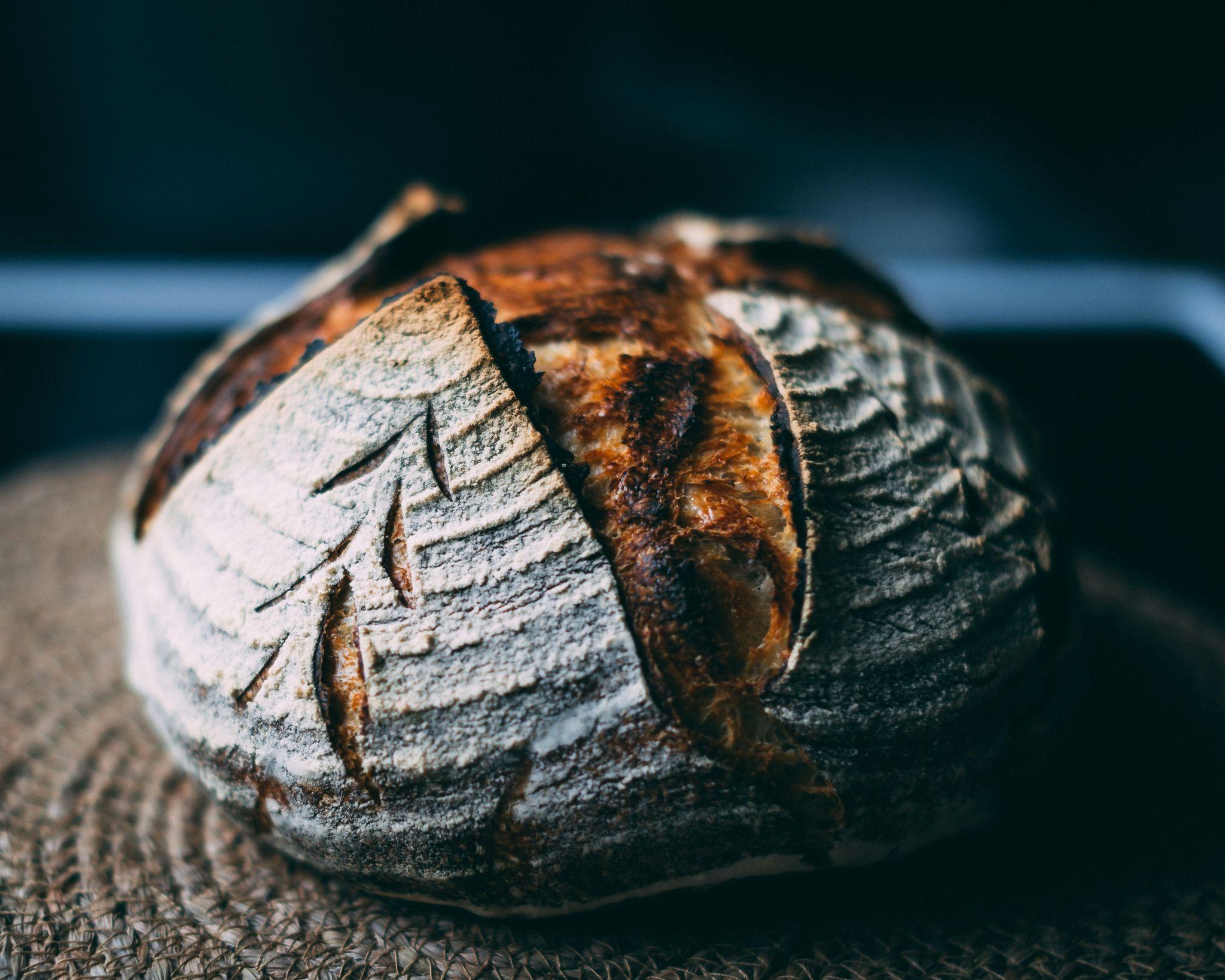
Whole grains such as millet, barley, wheat and traditional breads appear regularly in other Blue Zone regions. The difference compared to more modernized diets lies in their form: whole, organic and minimally processed. Whole grains are often soaked and in some cases sprouted to reduce phytates as well as fermented, as is the case with sourdough bread. These processes increase nutrient assimilation.
Prioritizing both organic soy products and whole grains can lessen exposure to pesticides, which some feel impacts digestibility, not to mention decreases harm from pesticide exposure.
How Much to Eat?
Another big takeaway from the Blue Zones is the habit of not overeating. While this was historically influenced by scarcity, there is also a timeless wisdom in not over-filling the body, which is reflected by the Okinawan mantra, “Hari hachi bu,” reminding one to only eat until eight out of ten of the stomach is full.
Of course there are different times in one’s life that call for deeper nourishment. Pre-conception, pregnancy, growing children, postpartum, and times of increased physical exertion require more nutrient-dense and supportive meals. Children especially have different needs while they are going through various growing stages. I remember one day when my son Nelson, three years old at the time, ate three big bowls of chili…where typically he would have only eaten one! He was going through a growth spurt! One tip to work with this ebb and flow is to start with smaller portions, and add more food if family members are still hungry. With this method there is not as much waste. This also supports children in developing their sense of fullness, instead of feeling pressured to “finish their plate,” even at a slower growth time.
Sweets
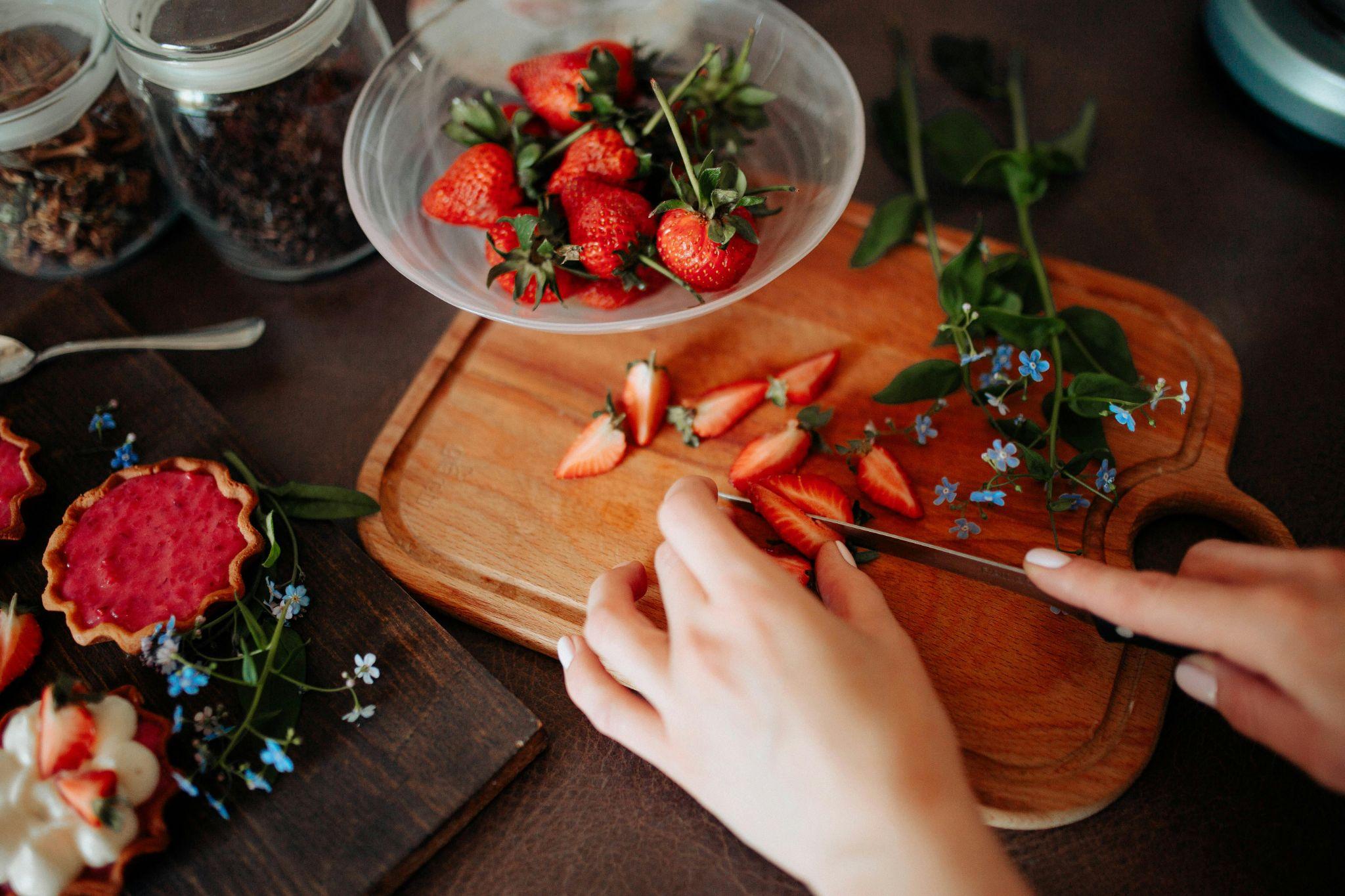
One decision that I am so glad that I made was to hold off on introducing white sugar to my son. When I say white sugar, I am referring to things such as organic turbinado or organic dehydrated cane juice as well as any organic or inorganic baked goods, etc. In fact, I really did not use that much sweetener in the first 4–9 years of his life, aside from honey — and even that was used sparingly.
What I have seen is that because Nelson was not eating refined sugar during his formative years, he has always had a very balanced relationship with sweets. To this day, he enjoys things like dark chocolate, ice cream, and sometimes baking cookies but tends to eat a small amount and then moves on. I, on the other hand, grew up with a sugar bowl on the table and had to contend with a strong sweet tooth for a good part of my life.
In the Blue Zones, traditional diets tended to reserve sweets for special occasions. When they were enjoyed, they were typically homemade and prepared with simpler, more natural ingredients. In day-to-day life, sweetness often traditionally came from seasonal fruit, a drizzle of honey in tea, or a small amount added to foods like yogurt. It wasn’t until dietary patterns began to shift alongside economic and cultural changes that more refined sugars and regularly consumed sweets became common.
Ways That Support a Healthy Relationship with Sugar
- Keep a fruit bowl on the counter with fresh, seasonal fruit always stocked
- Occasionally prepare homemade treats that are sweet-ish, fun, and nourishing (frozen banana ice cream, cobblers with coconut sugar or sucanat, homemade popsicles, fruit-based sorbets, chocolate mousse sweetened with dates and honey or maple syrup)
- Instead of always having sweet treats on hand, make your own — this naturally limits endless snacking and creates a fun experience
- Create healthy family traditions around holidays (for example, have organic treats, or something like a “Switch Witch” at Halloween to swap candy for a small gift)
- Model a balanced relationship with sweets
Growing Healthy Eaters
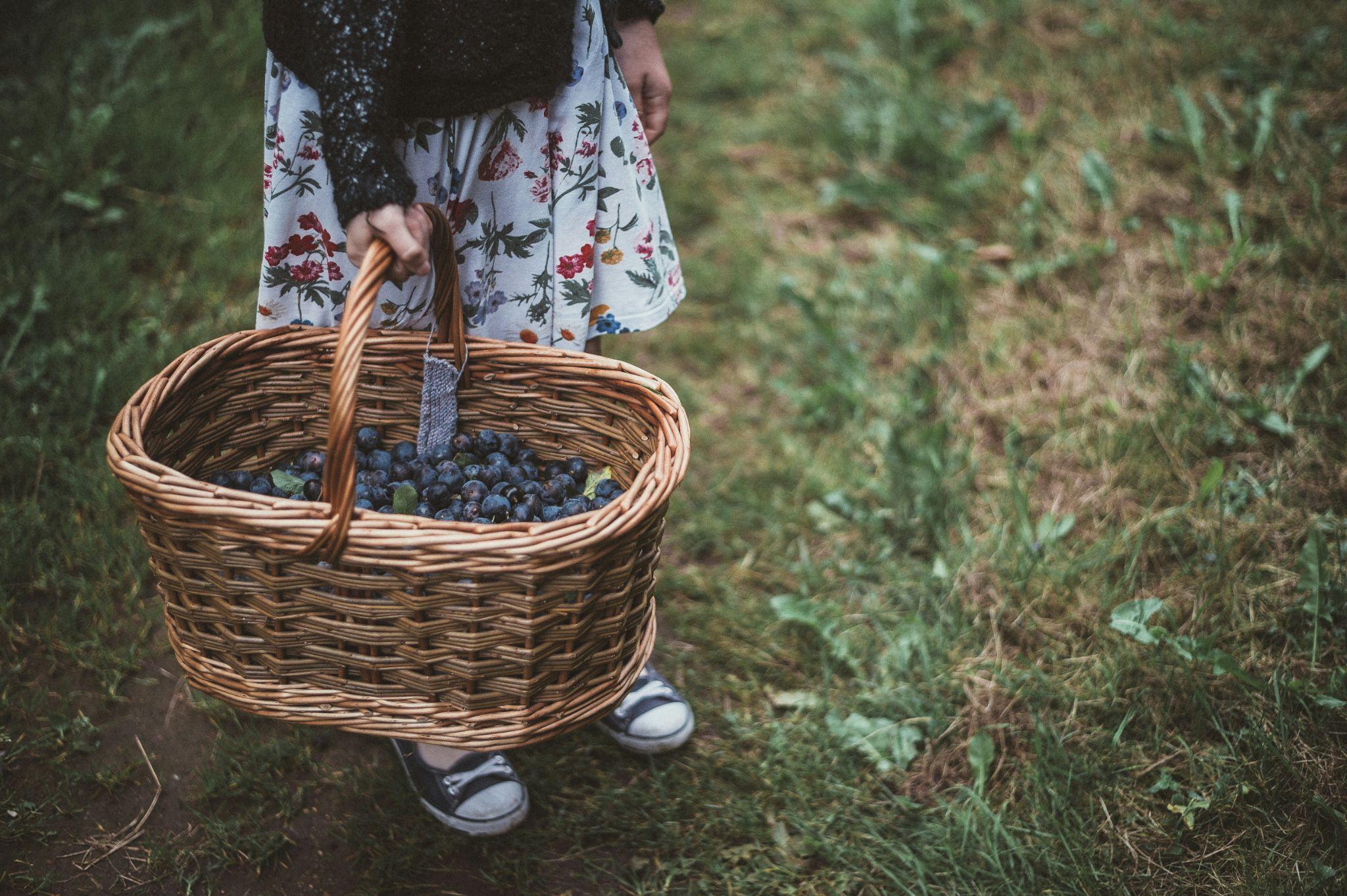
Involving kids with food preparation is one of the most powerful ways to build healthy food habits. Consider growing a garden. Children usually enjoy going out and picking berries, cherry tomatoes, peas, radishes, and young carrots. You can even create a garden teepee by using bamboo rods and growing peas or green beans on them as a trellis. Picnics in the garden bring even more fun! If you are limited in space, a good deal can be planted in containers on a porch. For those in more urban areas, becoming a part of a community garden promotes these healthy habits for the entire neighborhood. Beyond this, letting children putter in the kitchen and help with simple preparations can support a lifetime love of cooking. Children can also help with grocery lists and shopping and even create paper menus for meals and play pretend restaurant.
Warming Up Older Children to Nourishing Food
As parents, we have all wished that we would have known certain things earlier in our parenting path. While the specifics may vary, the truth is that we learn as we go along. When we learn about healthier food options later in our children’s lives, it can feel daunting to win them over. Even if there is groaning at first, including them in these decisions can win them over with time. As a start, you can also recreate familiar favorites using whole food ingredients — veggie burgers, whole-grain pizzas, burrito bars, or build-your-own ramen bowls are some examples of familiar favorites. Asking to help make different salad dressings, dips, and sauces can make food more appetizing. The important thing is to not give up. Sometimes you have to take baby steps, and that is ok!
Keep the fridge stocked with fresh-cut vegetables, good dips, fun herbal tea blends, and fresh fruit. A well-stocked fridge is one of the best investments that parents can make. I will always hold dear Sharifah Oppenheimer’s wisdom that she shares in her book, Heaven on Earth: A Handbook for Parents of Young Children. In it, she discusses how she always had a well-stocked fridge and because of this, her home became the “hang-out home,” with her boys and their friends cooking late into the night. Drawing from this, I have seen the same thing happen in our own home, with my son and his friends cooking up a storm, and creating a lifetime of memories.
The Power of Eating Together
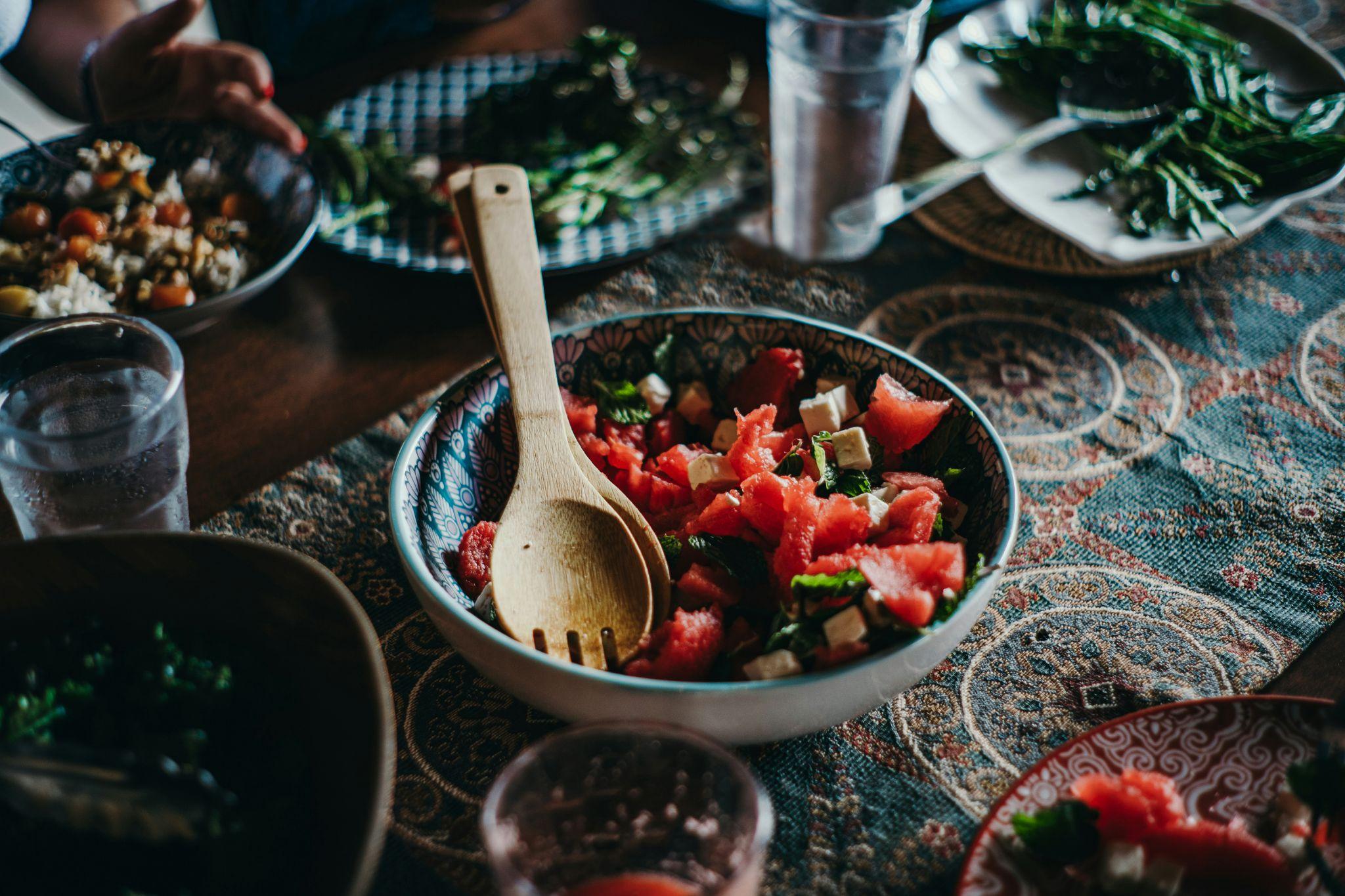
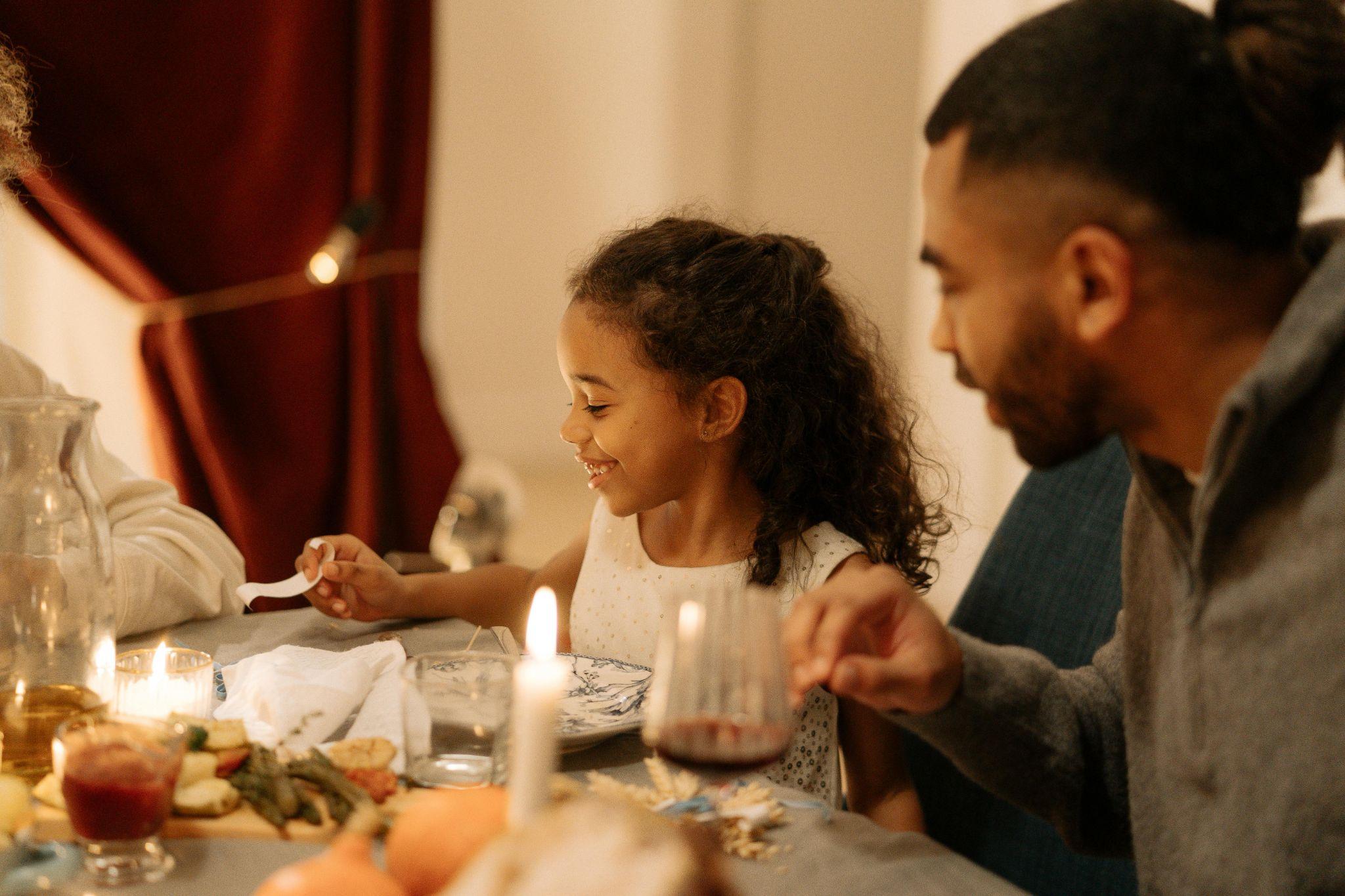
Meals in Blue Zone cultures are a time to gather with friends and family. When eating, see it as a time to be with loved ones. Ideally, this means not bringing phones to the table and making the intention to be present. Longevity is not just about food — it is about connection. This type of nourishment extends beyond nutrients in food to include presence, conversation, and a sense of belonging in your family life. On a larger scale, potlucks and family game nights are a fun way to share with the larger community.
Keeping it Simple
One of the most refreshing takeaways from the Blue Zone cultures is the reminder that meals can be quite simple. In Sardinia, for example, a mainstay is a simple bean and vegetable soup that is eaten daily for lunch. While there may be slight variations, the general theme remains the same. Family meals do not need to be elaborate, and in fact our digestion can benefit from keeping foods simple and easy to digest.
Often when I am shaping a meal, I will make sure that I include foods that are fresh and uncooked, such as a salad, along with a lightly cooked vegetable, and then bring in whole grains and legumes. If your family prefers meat, opting for a leaner cut is easier on the digestive tract and the cardiovascular system.
- Get into a rhythm of soaking a bean and a grain at night for use the next day
- Prepare beans with a couple of recipes in mind (hummus, roasted garbanzos, etc.)
- Rice cookers and both non-electric and electric slow cookers can help make cooking grains and legumes easy and straightforward
- Each weekend create a meal plan for the week and shop accordingly
- Have fresh fruit, lots of veggies that can be cut up, and dips such as hummus for quick and convenient snacks. Great for kids and adults alike!
Meal Ideas that Support Vitality and Strength
Breakfast
- Blended green drink (greens, apple, orange, lemon, ginger, hemp seeds, and green powder)
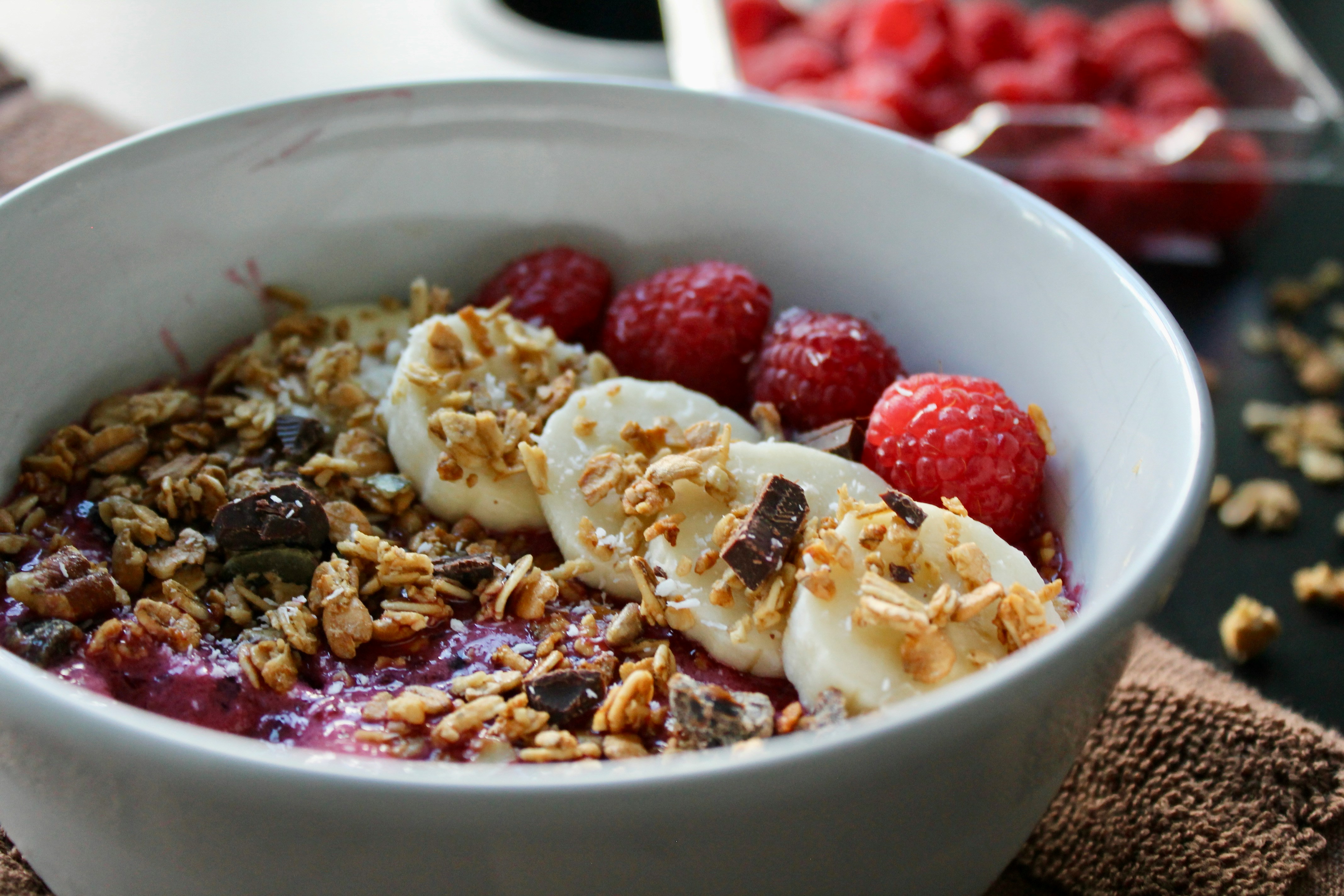
- Smoothie (seasonal berries, banana, homemade almond milk or raw dairy, optional almond butter, hemp seeds for protein, or green powder for an extra kick)
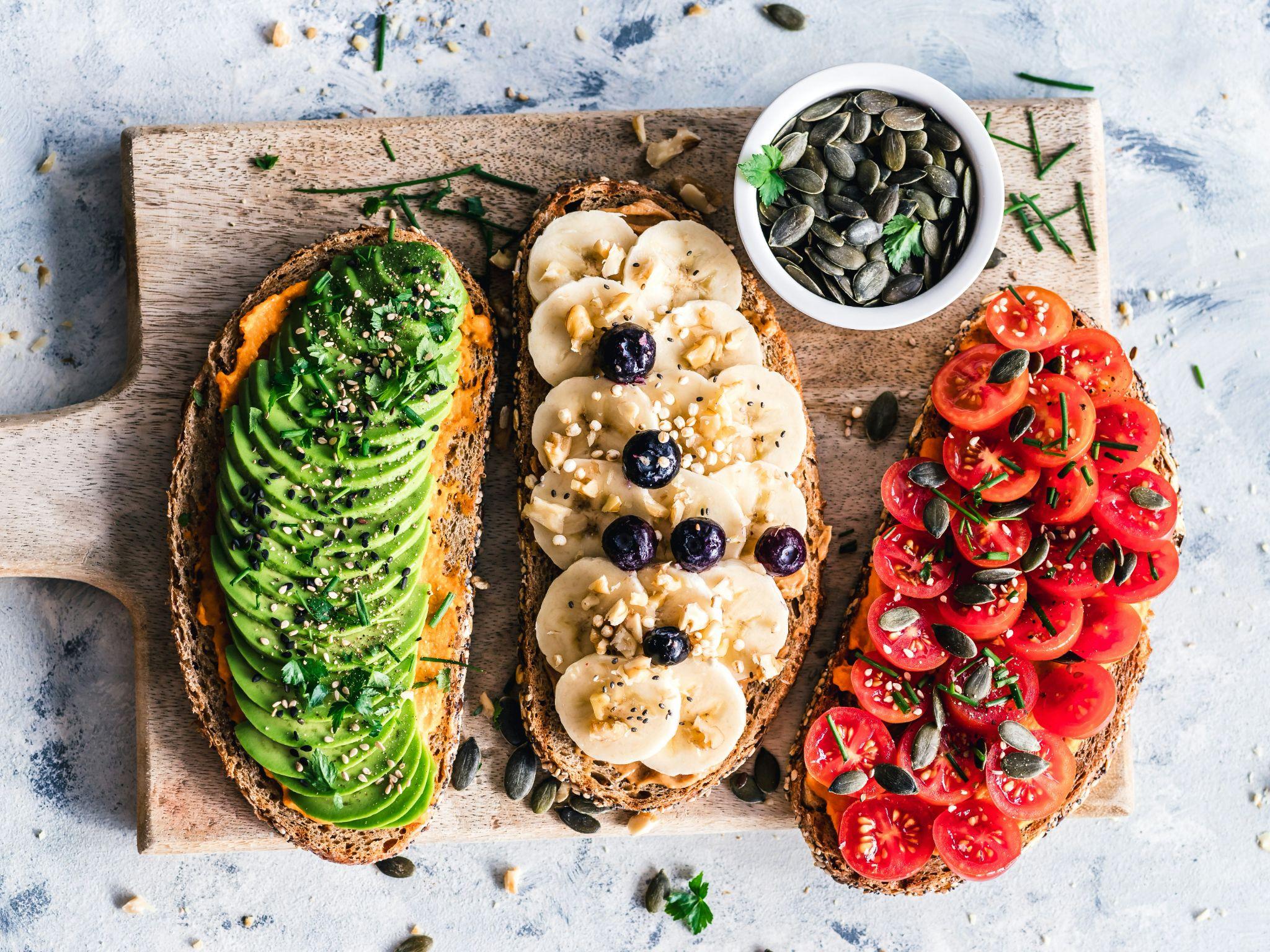
- Avocado toast on whole-grain sourdough with a 7-minute egg
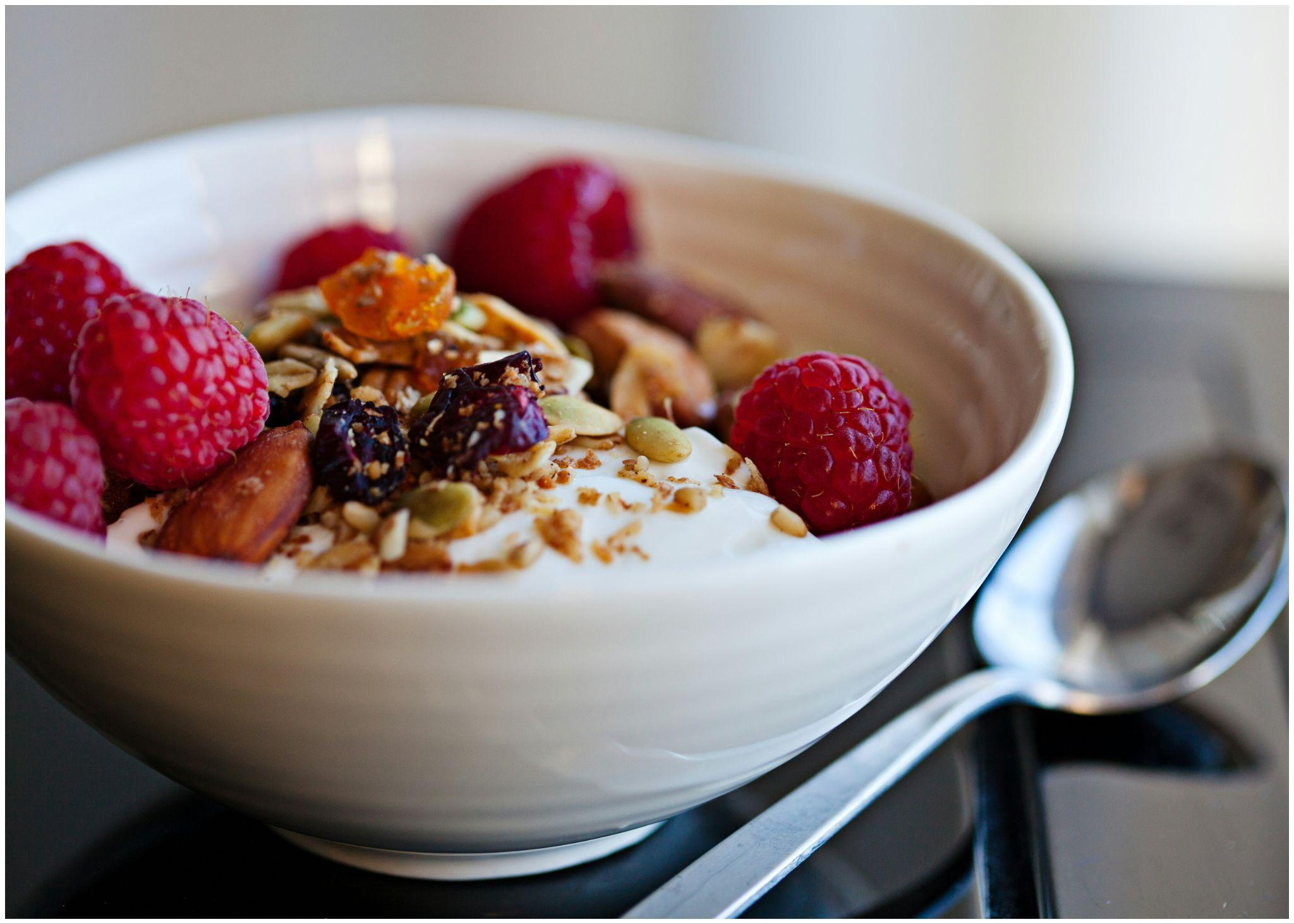
- Yogurt with nuts, fruit, and honey or granola
- Tofu or egg scramble with veggies (tortillas optional)
- Oatmeal with walnuts, coconut sugar or drizzle of maple syrup, and cinnamon
- Fruit kebabs with yogurt dip
- Homemade egg bites with veggies
- Almond butter toast with a drizzle of honey
- Sourdough toast with fresh pesto and avocado (optional 7-minute egg)
Lunch
- Quinoa bowl with garnet sweet potatoes, garbanzos, avocado, wilted greens, tahini dressing
- Whole-grain sourdough pita with hummus, falafel, sprouts, and veggies
- Rice and bean bowls with fresh salsa and guacamole
- Veggie sushi with tofu
- Miso soup with veggies
- Vegetarian chili with sourdough cornbread
- Quinoa with garbanzos, basil, and sundried tomatoes
- Tempeh reuben on sourdough toast and a side salad
- Hearty salad with pickled beets, sauerkraut, crispy garbanzos, and avocado
Dinner
- Roasted vegetables and tofu with tahini sauce and steamed asparagus or green beans
- Bean burritos with fresh toppings and a side of veggies
- Kitcharee with extra vegetables
- Grilled salmon and broccoli
- Sunflower burgers and yam fries
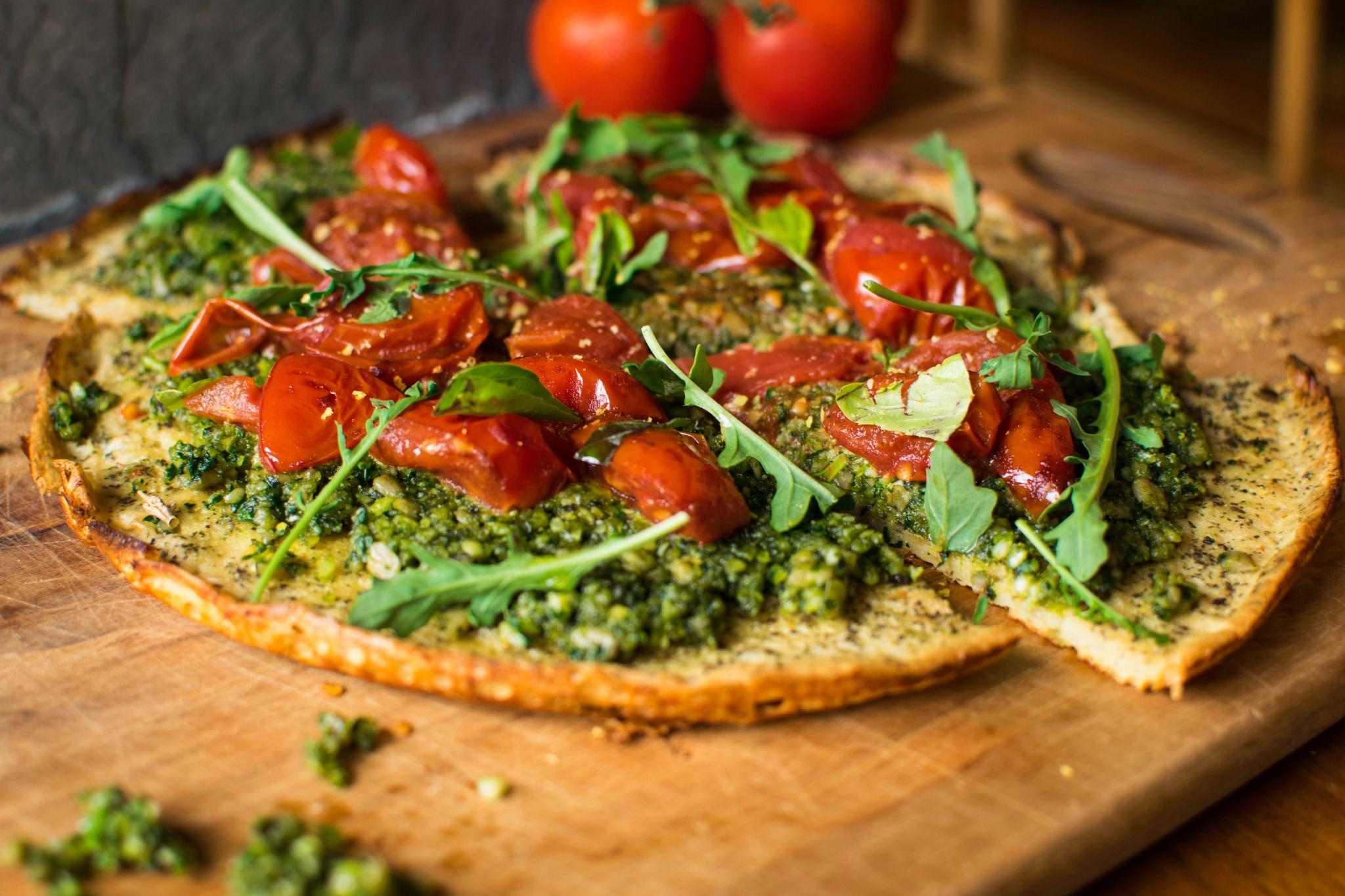
- Homemade sourdough pizza with veggies and a side salad
- Ramen with greens, shiitakes, green onion, tofu, or chicken
- Fresh spring rolls with almond butter dipping sauce and seaweed salad
Snacks
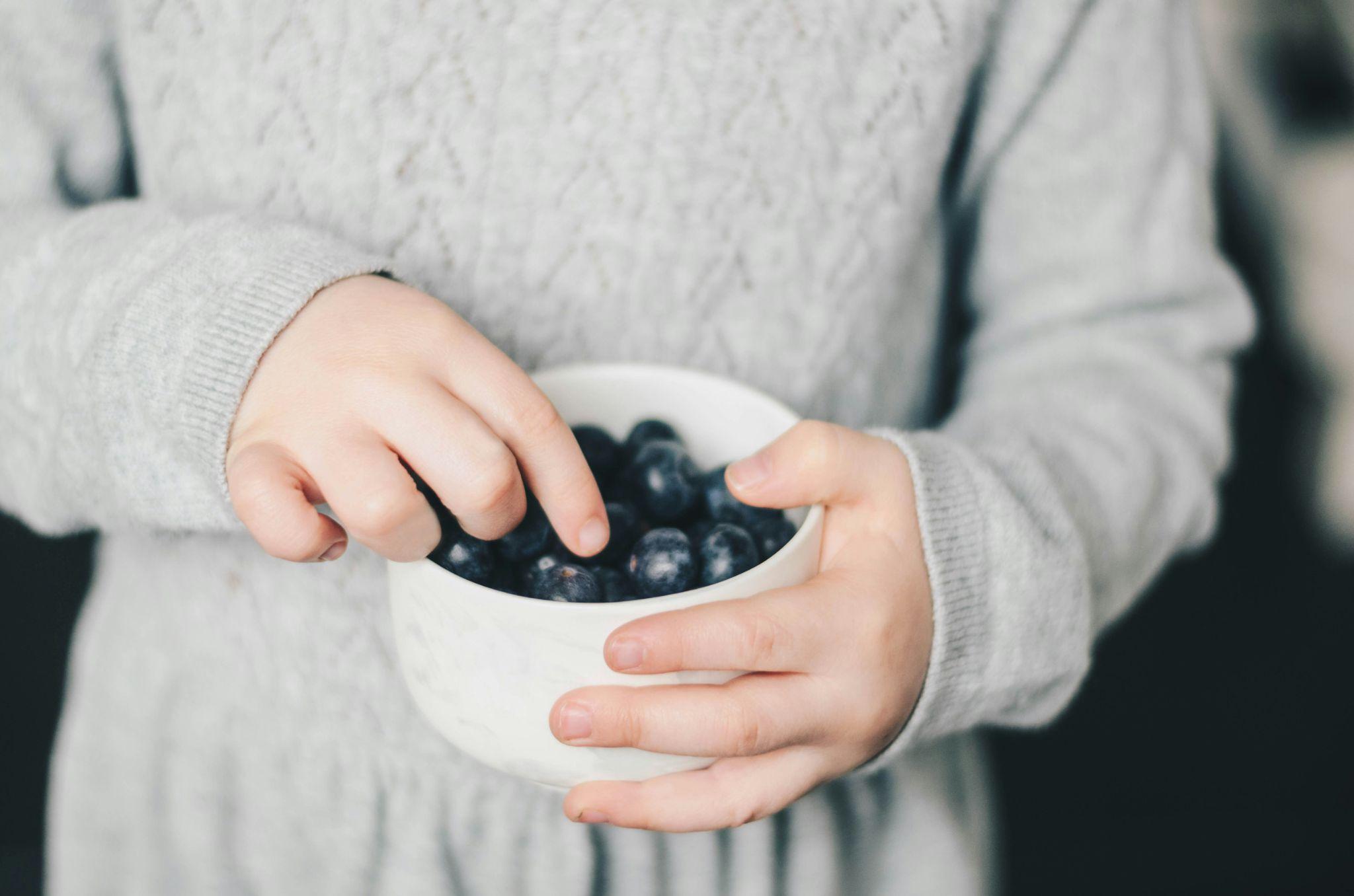
- Fresh fruit
- Cut vegetables with dips
- Nuts, seeds, and trail mix
- Homemade nori snacks
- Air-popped popcorn with nutritional yeast, olive oil, and salt
Desserts
- Homemade frozen fruit sorbet
- Seasonal cobbler
- Fresh fruit with whipped cream (dairy or non-dairy)
- Homemade popsicles
Beverages
- Filtered water
- Herbal teas (nettle, glow tea blend)
- Kombucha
- Ginger bug sodas
- Homemade almond milk

Love Notes
With so many conflicting opinions around nutrition, it can feel overwhelming to know where to begin in creating family meals.
The Blue Zones have food wisdom to share with us so that we can prepare healthy and nutritious meals for our friends and family. My intention is to help make this a simple process. Whether you eat meat or not, bring in the whole foods as a base. From there, think color. Think of vitality. Think of fresh ingredients. Think moderation. When feeling daunted and tired, remember that meals do not need to be complicated to be nourishing. There are so many awesome cookbooks out there today as well as YouTube channels and even local cooking classes that can help make this a fun process for you and your whole family. And remember, along with the foods that you choose, the very act of gathering with loved ones is also healing and nourishing. For more ideas, check out the resource page.
To your health,
Penelope


.jpg)