Vital Child pt 1: Supporting Our Children’s Health
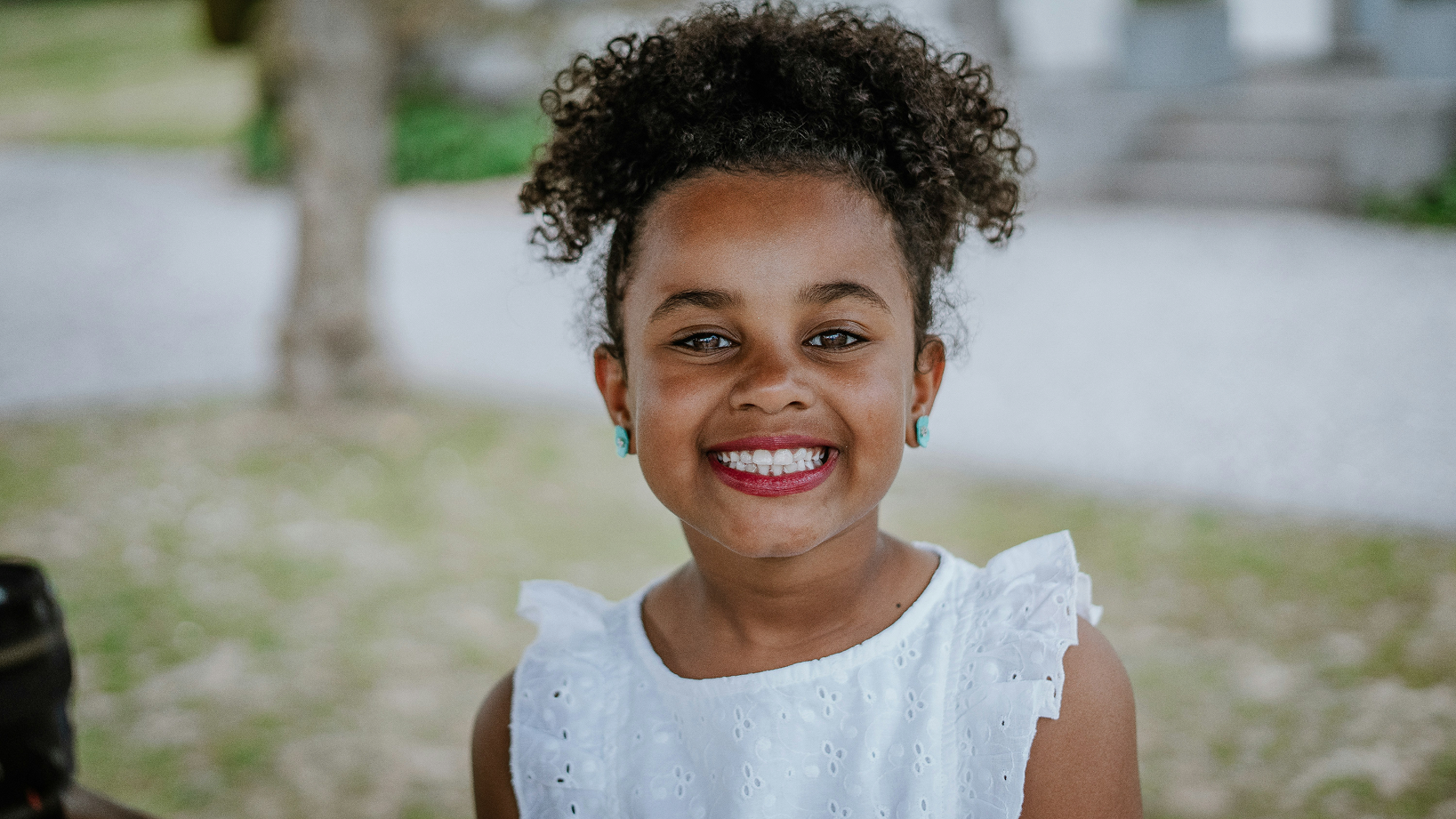
Rosy cheeks, bright eyes, smiling faces—as parents, we all want our children to be vibrant, robust, and happy. Unfortunately, the children of today’s world are increasingly growing away from this image. According to the National Cancer Institute (NCI)’s Cancer in Children and Adolescents Fact Sheet (2024), an estimated 14,910 children and adolescents (ages 0–19) in the U.S. would be diagnosed with cancer in 2024. (1)
For those children not facing a life-threatening illness, many will be afflicted with chronic health issues. Between 1994 and 2006, the prevalence of chronic conditions—including obesity, asthma, and behavioral and learning difficulties—more than doubled. (2)
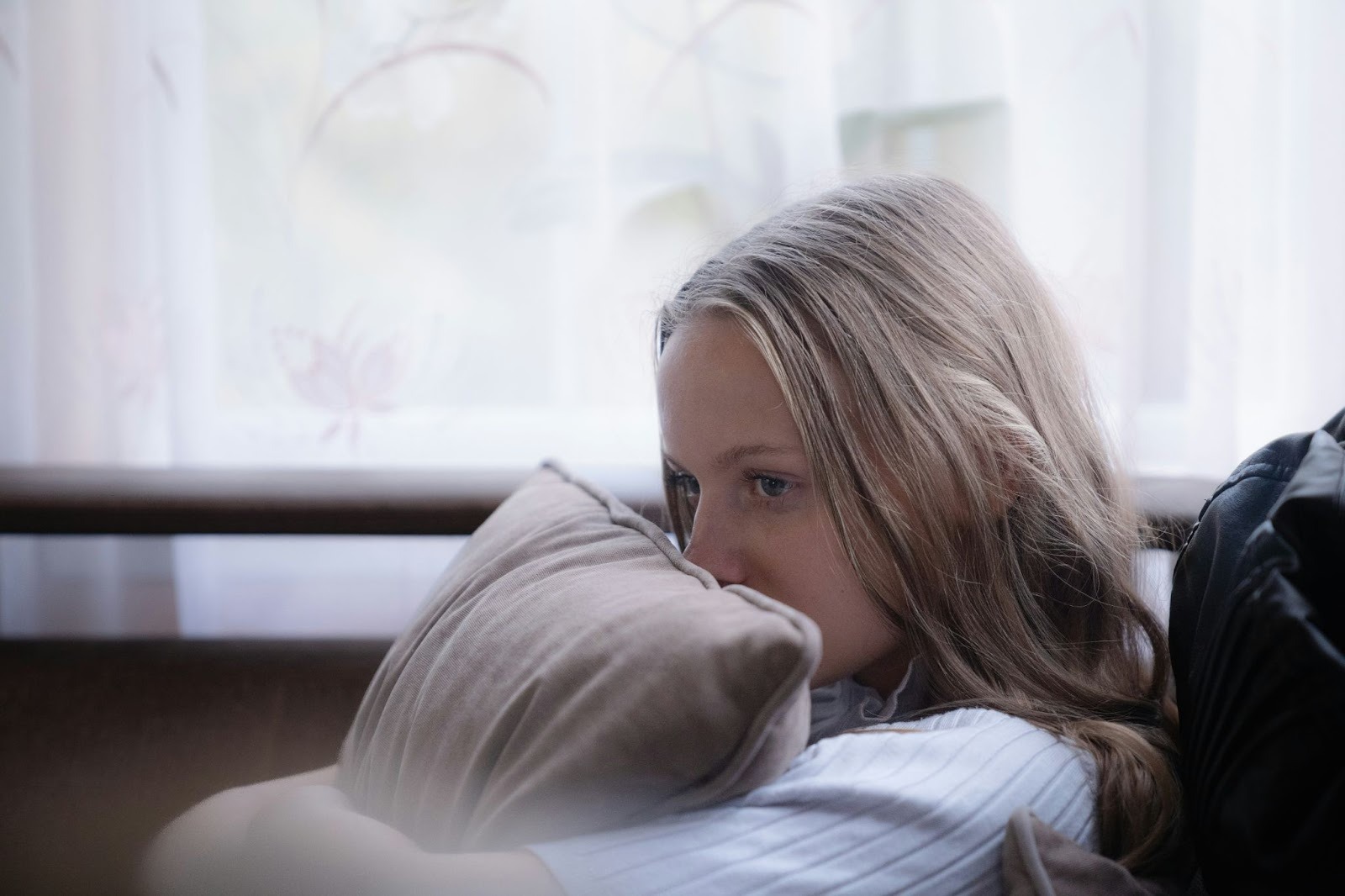
Studies further show that:
- 1 in 15 U.S. children 3 years of age and under have ear tubes (3)
- Roughly 14.7 million children are obese (4)
- Approximately 3.4 million children have been reported to be taking ADHD medication (5)
- "…Between January 2016 and December 2022, the monthly antidepressant dispensing rate (in teens) increased 66.3%, from 2575.9 to 4284.8…." (6)
Taken together, these figures paint a broader pattern in childhood health—not isolated concerns.
The encouraging news is that within our homes, parents have an extraordinary ability to influence children’s health—and even small, thoughtful changes can make a meaningful difference.

The Foundations of Health
Some may be surprised at the simplicity of the key foundational tools that build health and vitality. In fact, many of the tools needed for well-being have the potential to be given to us each day: fresh air, pure water, sunlight, vital food…love, laughter, inspiration, proper sleep, and movement of our bodies. Yet, we as a culture have become very disconnected from nature and, in some ways, from one another. Most of us, children and adults alike:
- Wake up in air-conditioned or heated buildings
- Eat breakfasts of artificial colors and stimulants
- Sit most of the day at school or work
- Eat sugar- and fat-filled lunches
Our bodies respond to this way of living, often attempting to communicate to us through subtle signals—dark circles under the eyes, fatigue, digestive upset—all invitations to slow down, reflect on the substances that our family uses daily, our actions, and our pace of life. Children feel these influences even more quickly. When we ignore these cues, illness may become more pronounced.
Action Points
- Emphasize fresh whole foods for the bulk of the diet
- Have fun in the sun!
- Prioritize time to connect as a family
- Move the body, inspire the mind, and encourage deep sleep each day
- When family members are feeling lower energy, pull back to recharge

Getting to the root of illness
One of my epiphanies around health came when my son was a baby. Growing up, I had never really questioned babies spitting up. I thought that this was a normal thing that babies just did. And yet, my son never spit up, until one day when I had put some essential oil on my neck and then picked him up. When I brought him near me, he immediately spit up. Later in contemplating this, I wondered if spitting up was an attempt of his body to rid itself of this substance and was part of a protective and healing mechanism. In a likewise fashion, I considered coughing, fevers, and rashes and wondered if these responses were also a form of protection. Later with time, I found scientific studies sharing that all of these symptoms can be examples of the body working to bring balance. Instead of focusing on stopping these actions, we can ask, “Why is my child vomiting? Why are they coughing? Why do they have a rash?”
Action Points:
- Keep a simple health journal to track symptoms
- Note environmental exposures or anything new in routine
- Ask "Why?" before immediately suppressing symptoms
- Support with hydration, rest, and age-appropriate herbal remedies, seeking outside medical support as needed, ideally from a holistically minded practitioner.
Letting Go of Guilt and Reclaiming Empowerment
As a busy mother, I know how these words can sound…daunting!!!! One more thing to think about…one more thing to change and one more thing to do. Perhaps there is even guilt for past or current choices.
Through humility, we can recognize that none of us has all the answers. All of us, at some point, have made—and will continue to make—choices that may not be ideal, simply because we didn’t know better at the time.
Instead of dwelling on the past, we can focus on this moment—a significant opportunity to directly impact our children’s health. The beauty is that while making these changes requires time and energy, these very choices ultimately give us more energy in return.
Action Points
- Remember that you do not need to change everything at once!
- Celebrate each healthy choice.
- Involve children in daily routines.
- Emphasize progress over perfection.
Love Notes….
Small steps can create big change. Take it slow, involve your family in ways that feel fun, and be gentle with yourself. You’re making a difference every day—keep going! You’ve got this!
To your health,
Penelope
Continue reading Article Two: Practical Steps to a Healthy Home
Sources
- National Cancer Institute. (2024). Childhood cancers: Cancer in children and adolescents (Fact Sheet). National Institutes of Health. https://www.cancer.gov/types/childhood-cancers/child-adolescent-cancers-fact-sheet
- Van Cleave, J., Gortmaker, S. L., & Perrin, J. M. (2010). Dynamics of obesity and chronic health conditions among children and youth. JAMA, 303(7), 623–630. https://doi.org/10.1001/jama.2010.104
- American Academy of Otolaryngology—Head and Neck Surgery Foundation. (2013). Clinical Practice Guideline: Tympanostomy Tubes in Children – Press Release & Fact Sheet. https://www.entnet.org/resource/aao‑hnsf‑cpg‑tympanostomy‑tubes‑in‑children‑press‑release‑fact‑sheet/
- Centers for Disease Control and Prevention. (2024). Childhood Obesity Facts. Retrieved from https://www.cdc.gov/obesity/childhood-obesity-facts/childhood-obesity-facts.html CDC
- Danielson, M. L., Bitsko, R. H., Visser, S. N., … (2024). ADHD Prevalence Among U.S. Children and Adolescents in 2022: Diagnosis, Severity, Co‑Occurring Disorders, and Treatment. [Journal name: Journal of Clinical Child & Adolescent Psychology].
- Chua, K.‑P., Volerman, A., Zhang, J., Hua, J., & Conti, R. M. (2024). Antidepressant Dispensing to US Adolescents and Young Adults: 2016–2022. Pediatrics, 153(3), e2023064245. https://doi.org/10.1542/peds.2023‑064245


.jpg)